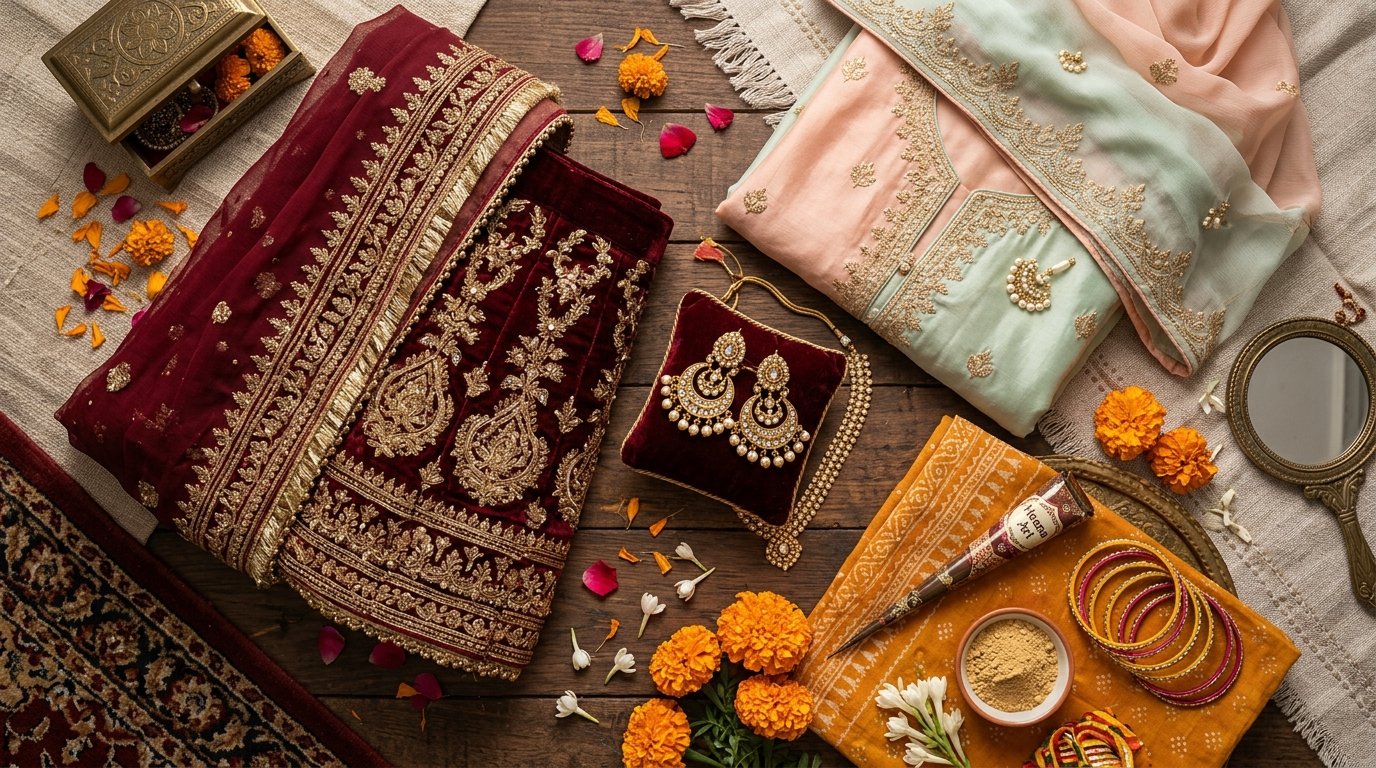
Pakistani Bridal Dresses: 2026 Wedding Dress Inspiration Guide
Picking your bridal dresses is one of those decisions that feels bigger than it should — because it is. Between family opinions, Pinterest boards, and three or four different functions to dress for, it’s easy to get overwhelmed before you’ve even picked a fabric.
Here’s the short answer: in 2026, Pakistani brides are moving toward lighter fabrics, deeper heritage reds for the barat, soft pastels for nikkah and walima, and detailed hand embroidery over heavy, stiff embellishment. Comfort and movement now matter as much as sparkle.
This guide walks through exactly what’s trending, function by function, so you can shape your own dress vision instead of copying someone else’s.
What Pakistani Brides Are Choosing Right Now
If you only have a minute, here’s the quick version:
- Barat: deep, complex reds — wine, rust, maroon, antique red — instead of flat, bright crimson
- Nikkah & Walima: pastels are having a real moment — ivory, champagne, blush, and powder blue
- Mehndi: bold, joyful color — yellows, greens, and pinks still lead
- Silhouettes: lehengas, shararas, ghararas, and fusion bridal gowns are all being worn, often mixed across functions
- Fabrics: organza and lighter jamawar for warm-weather weddings, velvet for winter functions
- Detailing: zardozi, kamdani, dabka, and hand-placed crystal work, with 3D floral embroidery as a standout technique
Now let’s break each of these down properly.
Bridal Colors by Function
Pakistani weddings usually span multiple events, and each one has its own color language. Treating your wedding as one dress code is where a lot of brides go wrong.
Barat: Red Is Still the Anchor, But It’s Evolved
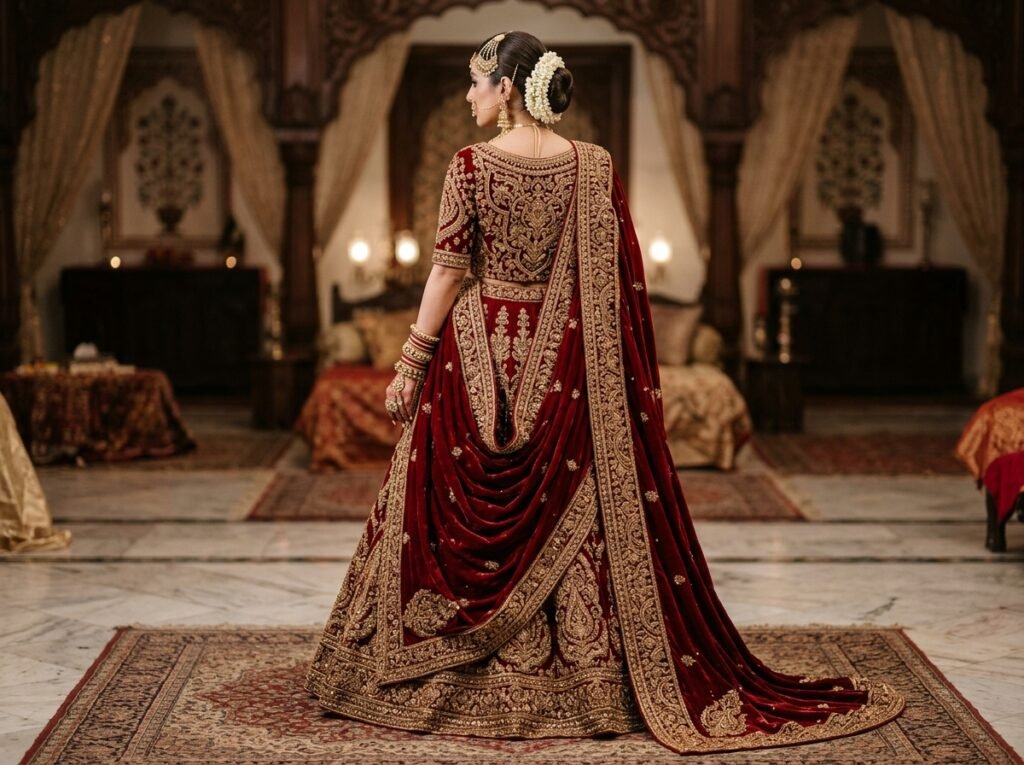
Red hasn’t gone anywhere — it’s still the emotional core of a Pakistani baraat look. What’s changed is the tone. Instead of one flat crimson, designers are working in layered reds: wine, rust, burgundy, and antique red with a slight golden undertone. It photographs richer and feels less “costume,” more heirloom.
Nikkah and Walima: Pastels Take the Lead
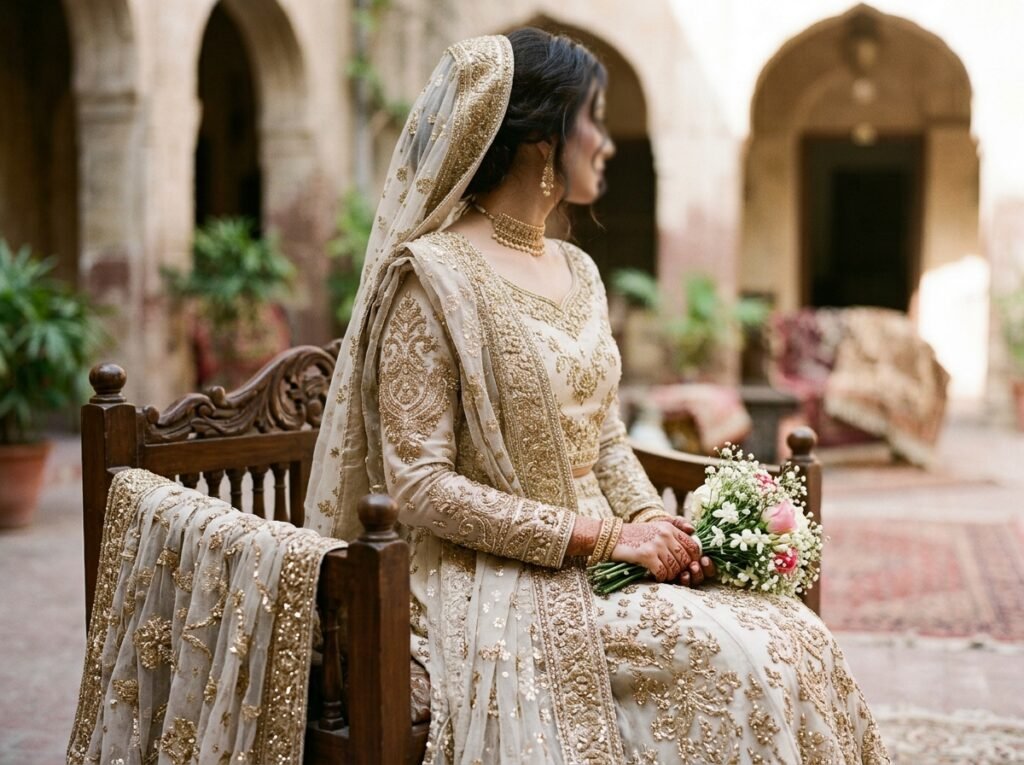
This is probably the biggest shift this year. Nikkah dresses in particular are leaning away from dark, heavy tones and into ivory, champagne, cream, and blush. It fits the tone of the ceremony — the nikkah is intimate and spiritual, and the softer palette reflects that. Walima looks are following a similar direction, though some brides still choose a jewel tone here for contrast against the barat.
Mehndi: Where You Can Actually Have Fun
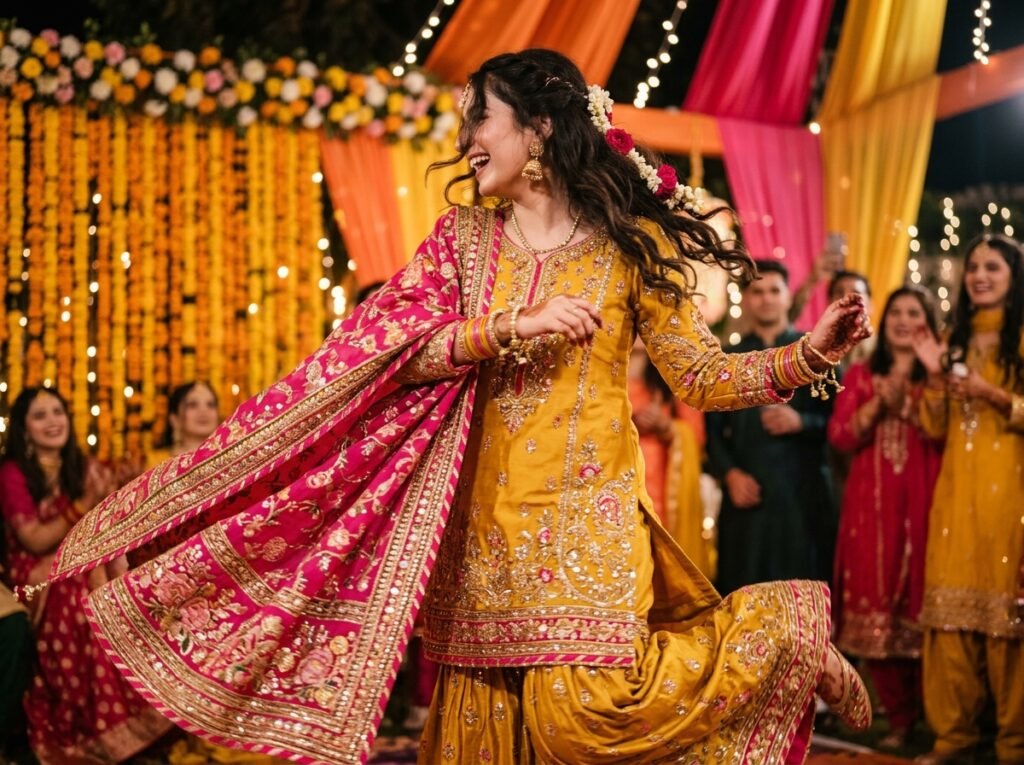
Mehndi is still the function where color rules loosen up. Bright yellows, greens, oranges, and hot pinks remain popular, often paired with floral dupattas and lighter, breathable fabric so you can actually dance in it.
Silhouettes: Lehenga, Sharara, Gharara, or Gown?
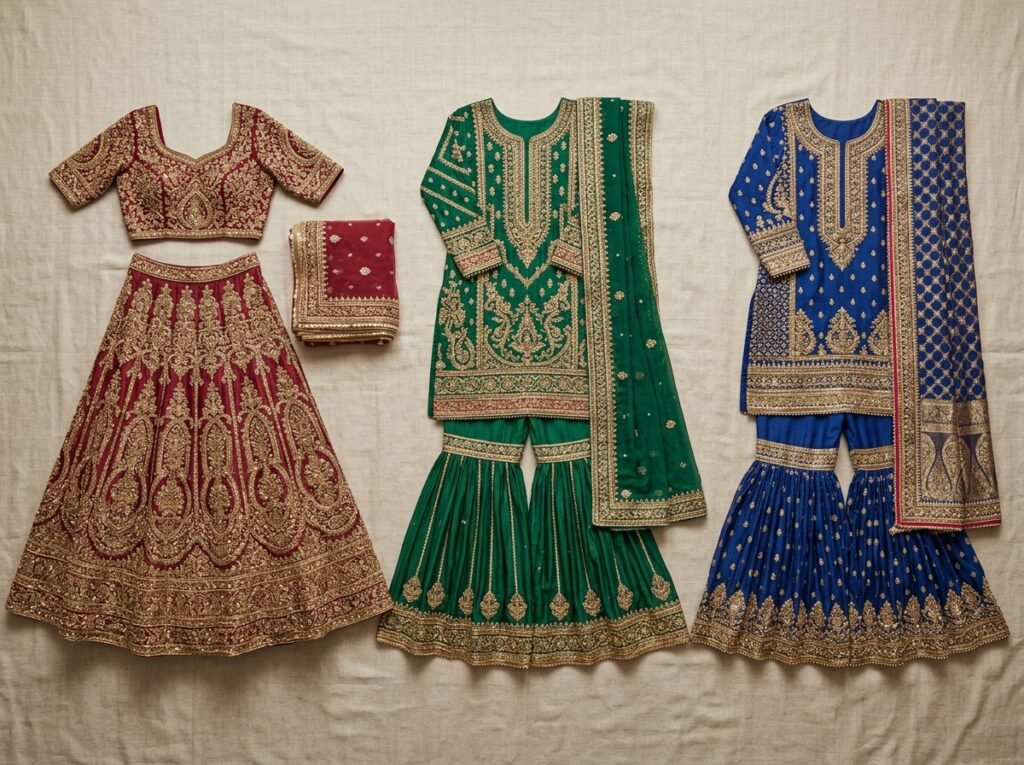
There’s no single “correct” bridal silhouette anymore — it genuinely depends on your comfort and the function.
- Lehenga: A skirt-and-blouse combination, usually paired with a short or knee-length shirt. Common for nikkah and mehndi, and endlessly versatile.
- Sharara: Loose, flowing pant-style bottoms, cut from flowing fabrics like net, chiffon, or silk, with heavy embroidery running through the shirt and sharara both. Works across almost every function.
- Gharara: Two distinct leg openings with a flared, voluminous bottom — more structured than a sharara. Ranges from a simple A-line cut to fuller, ruffled versions.
- Bridal gown / fusion gown: A newer but firmly established category for walima and some nikkah looks — floor-length, often with a train, built on South Asian embroidery techniques rather than a Western dress translated into local fabric. If you want the drama of a gown with the identity of Pakistani craftsmanship, this is where to look.
Practical tip: if you’re unsure, try your barat outfit in your actual sharara or gharara shape before the big day — not just the top. The way a gharara moves is very different from a lehenga, and it changes how you’ll want to stand, sit, and dance in it.
Fabrics That Balance Luxury and Comfort
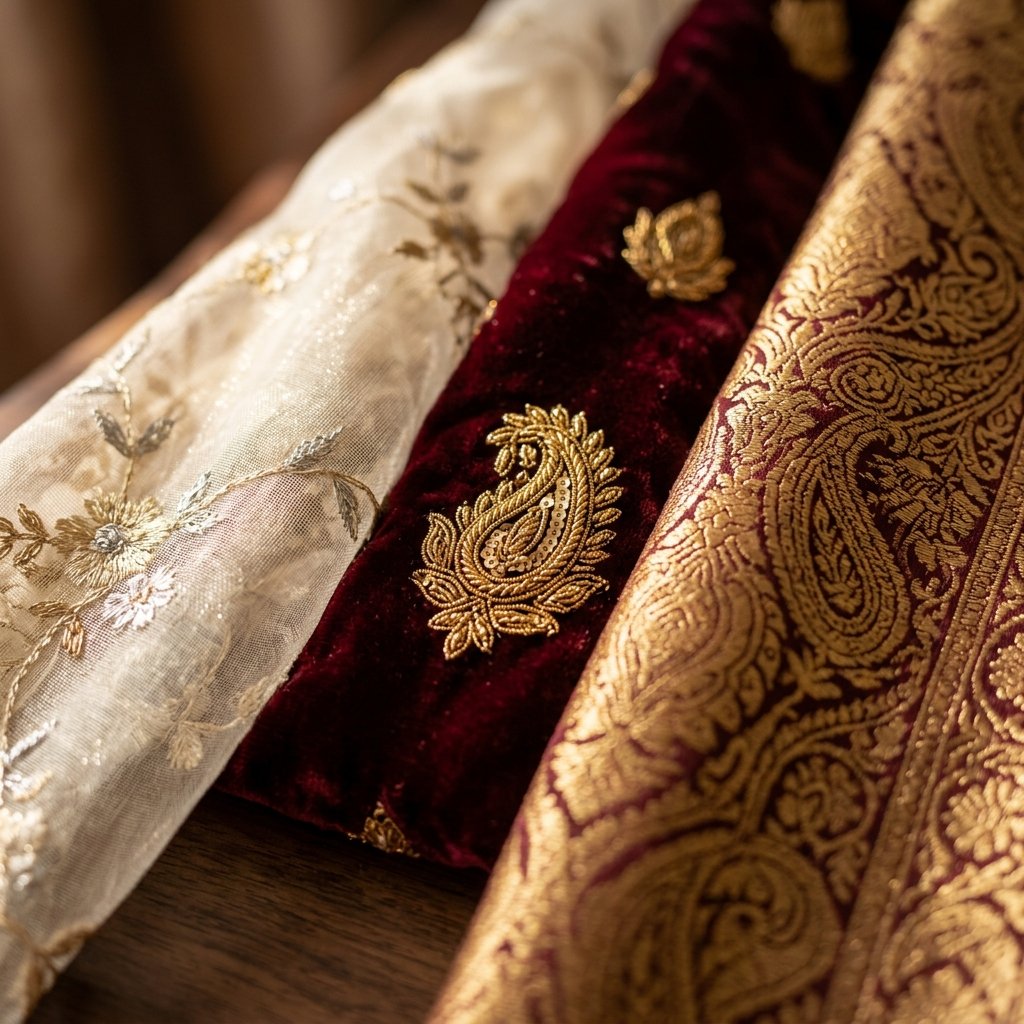
Heavy, stiff fabric used to be treated as the price you paid for a formal look. That’s changing.
Organza is doing a lot of heavy lifting this year — it holds embroidery beautifully while staying light enough to wear through a full day of events. Velvet is still the go-to for winter weddings, especially in colder climates like the UK or Canada, where it adds warmth without sacrificing richness. Jamawar continues to show up in walima and nikkah pieces for its structured, regal texture.
If your wedding season runs long — multiple functions across several days — fabric weight should genuinely factor into your decision, not just how the dress looks in a single photo.
Embroidery and Embellishment: Less Bulk, More Detail
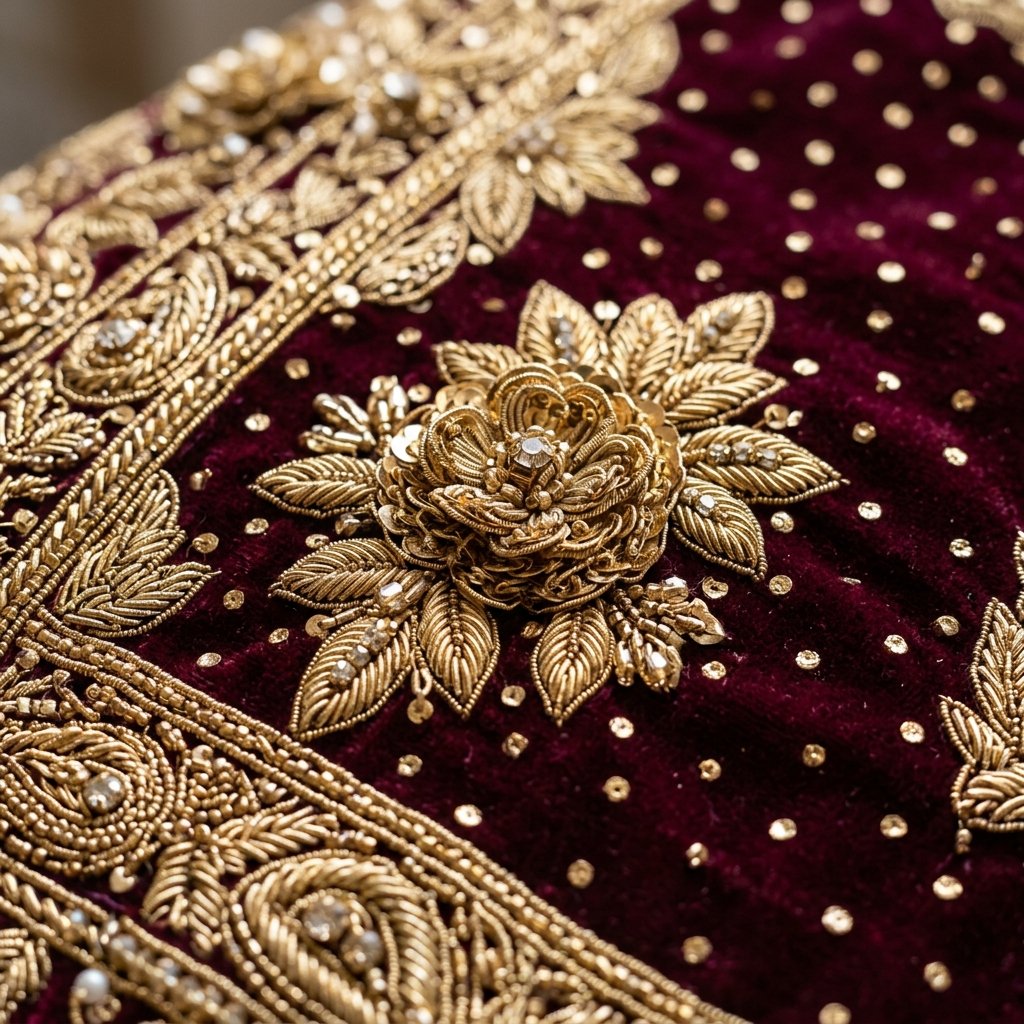
The other real shift in 2026 is how embellishment is being used. Instead of maximalist, head-to-toe embellishment, designers are placing detailed handwork more intentionally — a heavily worked neckline and border with a cleaner body, for example.
Techniques worth knowing if you’re dress-shopping or briefing a tailor:
- Zardozi — metallic thread embroidery, often gold or silver
- Kamdani — fine, hand-tacked metallic dots
- Dabka — coiled metallic wire work
- Gota — ribbon-style appliqué edging
- 3D floral embroidery — raised, dimensional floral motifs that add texture without extra weight
3D floral work in particular has become one of the standout techniques this year, partly because it photographs so well and partly because it doesn’t add the bulk of traditional heavy embellishment.
Styling Details Worth Considering
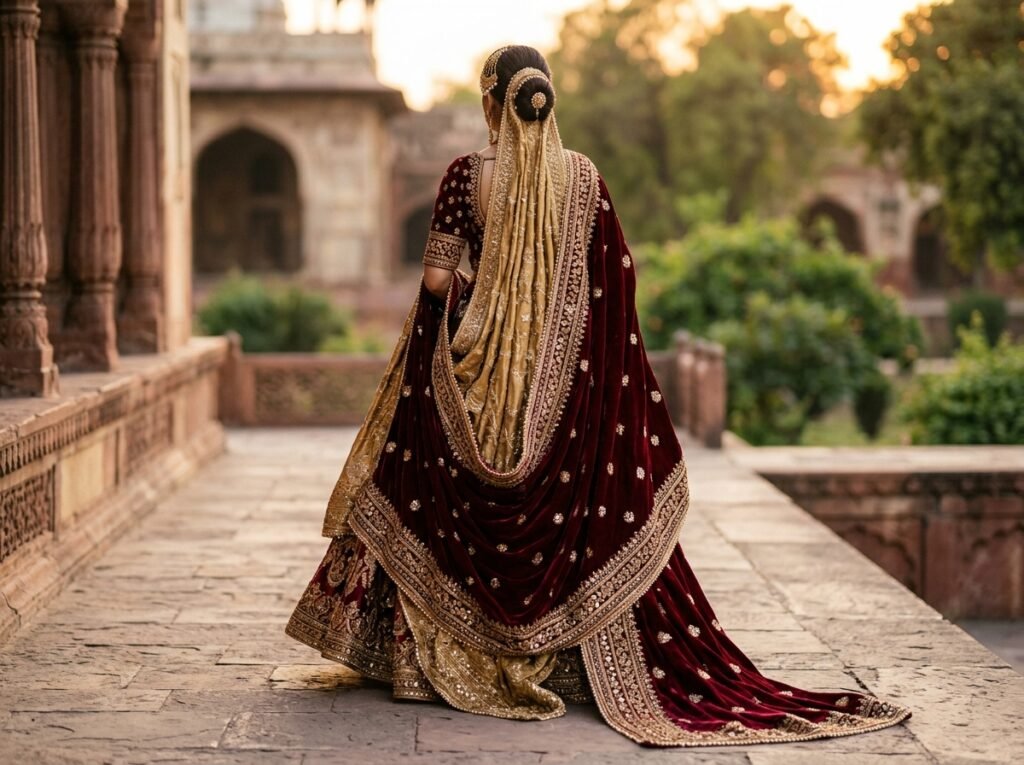
A few smaller choices are shaping how brides are finishing their overall look:
- Double dupatta on barat — layering two dupattas (often in contrasting textures or tones) instead of one, for extra drama in photos.
- Cape dupattas — a structured, cape-style dupatta replacing the traditional draped one, especially on gown-style outfits.
- Intentional jewelry — with pastel outfits especially, brides are choosing one strong statement piece rather than layering multiple heavy sets.
None of these are mandatory — they’re simply where a lot of current bridal styling is heading, and worth knowing before you sit down with your designer or tailor.
How to Choose What’s Actually Right for You
Trends are useful for inspiration, not instructions. A few things genuinely matter more than what’s “in”:
- Your wedding’s climate and season — velvet in a hot outdoor barat, or thin organza in a cold winter hall, both create real comfort problems.
- How long you’ll wear it — a heavier gharara might photograph beautifully but feel very different after six hours of standing and greeting guests.
- Your comfort with color — deep reds and pastels both photograph well; choose based on your skin tone and what makes you feel confident, not just what’s trending.
- Budget honesty — hand embroidery techniques like zardozi and kamdani are labor-intensive and priced accordingly. Decide early where you want to spend — fabric, handwork, or design complexity — rather than trying to maximize all three.
Common Mistakes to Avoid
- Choosing a dress purely from a photo without trying the actual fabric and cut on your body
- Ignoring the weather and season for outdoor functions
- Over-embellishing every function instead of saving impact for the barat
- Finalizing jewelry and dupatta styling only on the wedding day itself, instead of doing a full trial run beforehand
Also Read: Royal Barat Bridal Dress Ideas for a Luxurious Look
Final Thoughts
The best Pakistani bridal look isn’t the one copied exactly from a designer’s runway shot — it’s the one adapted to your body, your climate, your functions, and your comfort. 2026’s direction toward lighter fabrics, intentional embellishment, and softer nikkah palettes actually makes this easier than it’s been in past years, because comfort and beauty aren’t competing goals anymore.
Take the trends above as a starting point, not a checklist. Try the silhouettes on, test the fabric weight for a full day of wear, and build your look function by function rather than all at once.
FAQ Section
What colors are trending for Pakistani bridal dresses in 2026?
Deep, complex reds like wine, rust, and antique red dominate barat looks, while nikkah and walima outfits are trending toward pastels — ivory, champagne, blush, and powder blue. Mehndi functions still favor bold yellows, greens, and pinks.
What’s the difference between a sharara and a gharara?
A sharara is loose and flowing like a lehenga but has two separate leg openings, usually made from lighter fabrics like net, chiffon, or silk. A gharara is more structured, with a distinctly flared, voluminous bottom that’s less flowy than a sharara.
Which fabric is best for a Pakistani bridal dress in hot weather?
Organza is a strong choice for warm-weather or long wedding days — it holds embroidery well while staying breathable and lightweight compared to heavier fabrics like velvet or jamawar.
Is it normal to wear different dress styles for different wedding functions?
Yes — most Pakistani brides choose distinct colors and silhouettes for each function (mehndi, nikkah, barat, walima) rather than one consistent look, since each event has its own tone and dress code.
What is 3D floral embroidery on bridal dresses?
It’s a raised, dimensional embroidery technique that creates textured floral motifs on the fabric. It’s become popular in 2026 because it adds visual detail and depth without the bulk of traditional heavy embellishment.
How far in advance should I start choosing my bridal dresses?
Most designers recommend starting the process several months ahead, especially for hand-embroidered pieces like zardozi or kamdani work, since detailed handwork takes considerably longer to complete than machine-embellished designs.