Stylish Ethnic Dress Outfit Ideas: Trendy Traditional Looks for Girls
Picking the right ethnic dress can turn an ordinary day into a picture-perfect one — and it doesn’t have to mean heavy fabric or complicated draping. The best ethnic dress outfit today is one that mixes comfort with cultural charm: think breathable cotton kurta sets, flowy co-ords, and soft pastel tones that photograph beautifully and feel just as good to wear. Here’s exactly how to build that look, occasion by occasion.
What Makes an Ethnic Dress Outfit Stand Out Right Now
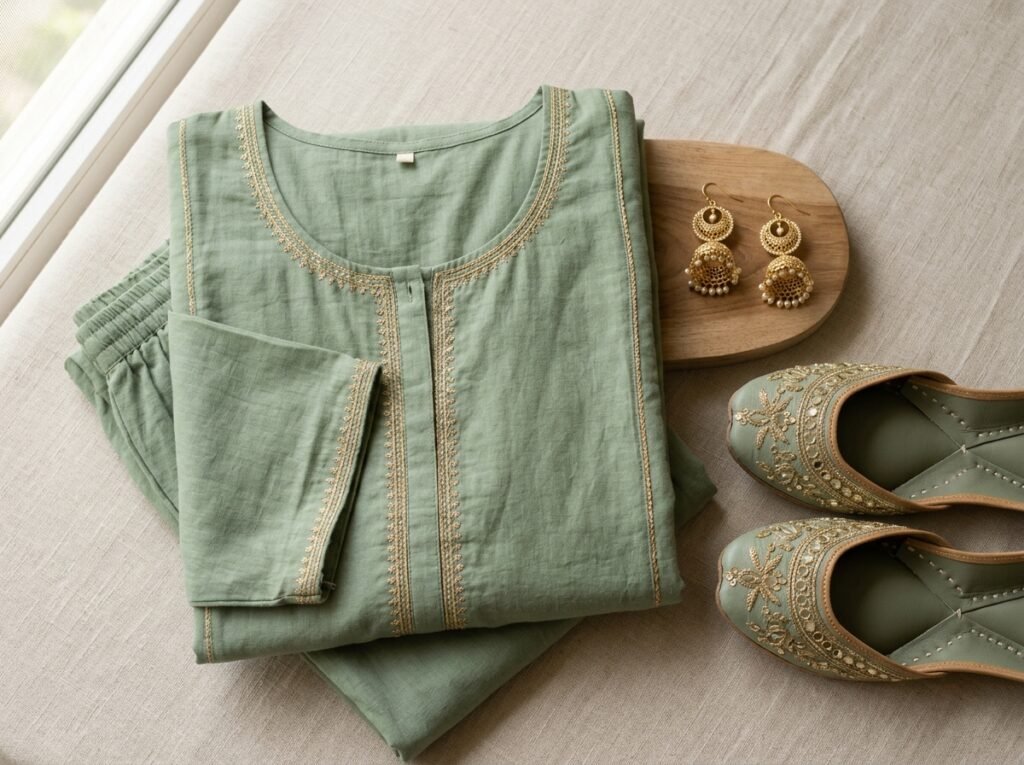
Ethnic fashion has quietly shifted away from stiff, heavily embellished pieces. The current mood is about fluid silhouettes — relaxed kurtas, asymmetrical tunics, and layered sets that move naturally with the body instead of restricting it.
A few things define a genuinely stylish ethnic dress outfit today:
- Comfort-first tailoring — straight-cut kurtas, palazzo pairings, and co-ord sets over stiff, structured cuts
- Fusion detailing — a traditional silhouette with a modern twist, like a cape-style kurta or a dhoti-pant paired with a short kurti
- Breathable, natural fabrics — cotton, linen, and handloom blends that hold up through long days
- Versatility — one outfit that transitions from a family gathering to a casual outing with a quick accessory swap
If an outfit ticks these boxes, it’s already ahead of the trend curve.
How to Choose the Right Ethnic Dress for the Occasion
Not every ethnic dress works for every setting, and matching the outfit to the occasion is where most styling mistakes happen. A simple way to think about it:
Daily Wear or College/Casual Outings
Go for a cotton kurti with leggings or straight pants, or a lightweight co-ord set. Prints in florals, checks, or block colors keep it easy without looking underdressed.
Family Gatherings or Small Functions
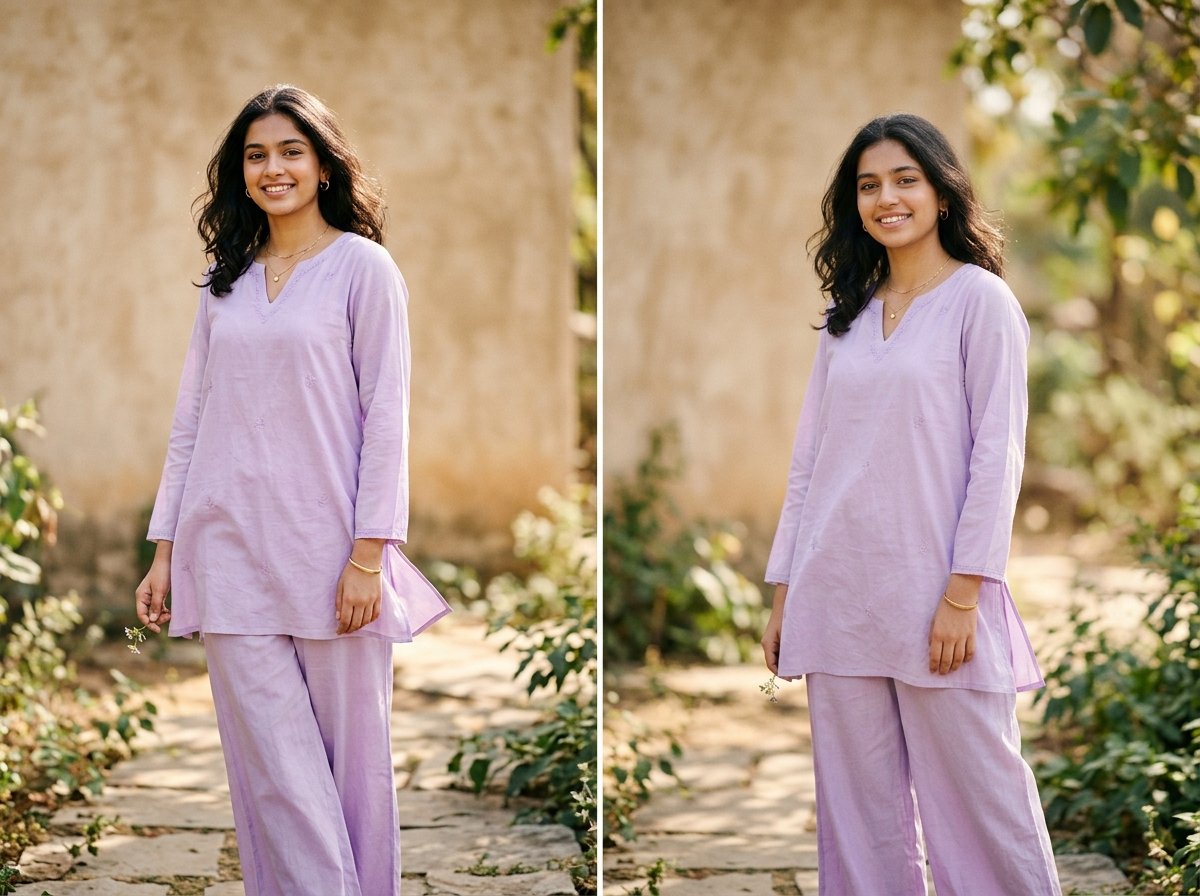
A kurta-palazzo set or an anarkali-style dress in a mid-weight fabric works well here. Pastels — lavender, sage green, and soft peach — are especially popular right now because they photograph well without looking overdone.
Festive or Party Occasions
This is where a draped saree-gown, a sharara set, or an indo-western dress earns its place. Richer jewel tones like emerald, maroon, or midnight blue suit evening events, while pastels still dominate daytime festive dressing.
Everyday Comfort with a Traditional Touch
A simple kaftan-style kurta or a straight-cut suit set gives that ethnic feel without needing any special occasion at all.
Trending Ethnic Dress Styles Worth Trying
If you’re not sure where to start, these styles are consistently popular across ethnic wear collections and are easy to recreate at different budgets:
- Co-ord Sets — a matching top and bottom in ethnic prints; effortless and doesn’t need much styling.
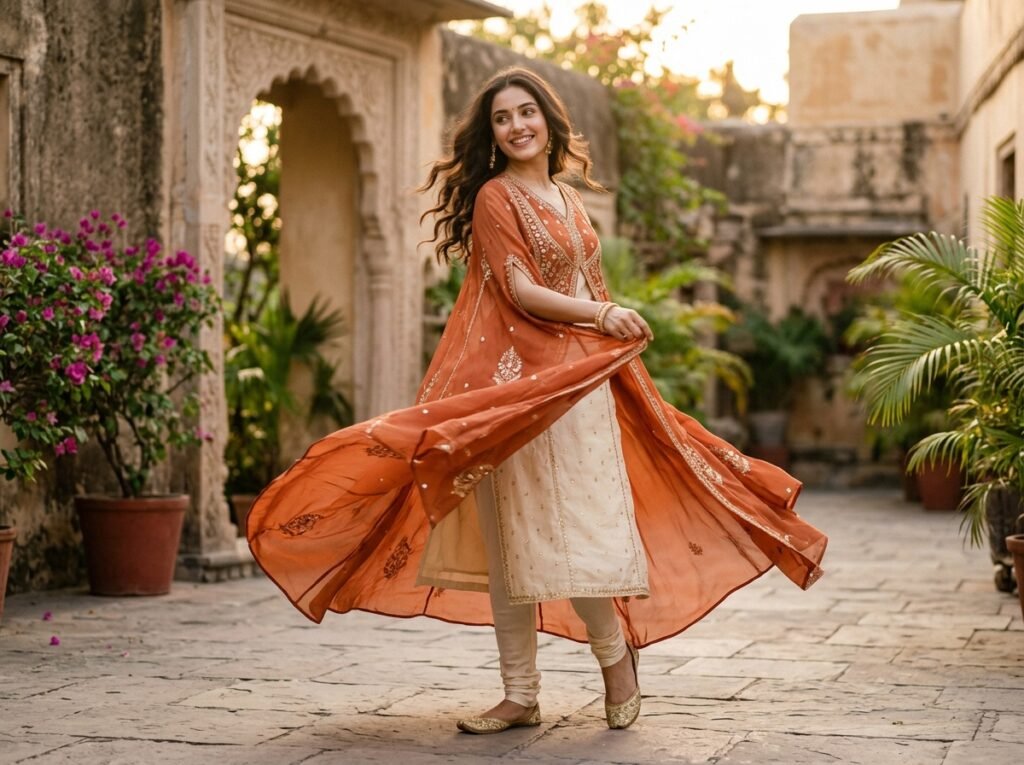
- Cape Kurtas — a flowing cape layered over a fitted kurta; looks dramatic without extra effort.
- Draped Saree-Style Dresses — pre-stitched, saree-inspired gowns that skip the draping hassle entirely.
- Dhoti Pants with Short Kurtis — a comfortable, slightly edgy take on traditional wear.
- Asymmetrical Ethnic Dresses — uneven hemlines and layered cuts that add movement and visual interest.
- Pastel Anarkalis — flared, floor-length kurtas that suit both daytime and evening functions.
Trying one or two of these instead of a single “safe” style is an easy way to refresh a wardrobe without buying in bulk.
Fabric and Color Choices That Actually Work
The fabric decides how an outfit feels by the end of the day — not just how it looks in a photo.
Best fabric picks:
- Cotton — breathable, washable, and reliable for daily or semi-formal wear
- Linen — slightly structured, great for warm weather
- Handloom silk blends — for festive occasions where a bit more shine is welcome
Color notes:
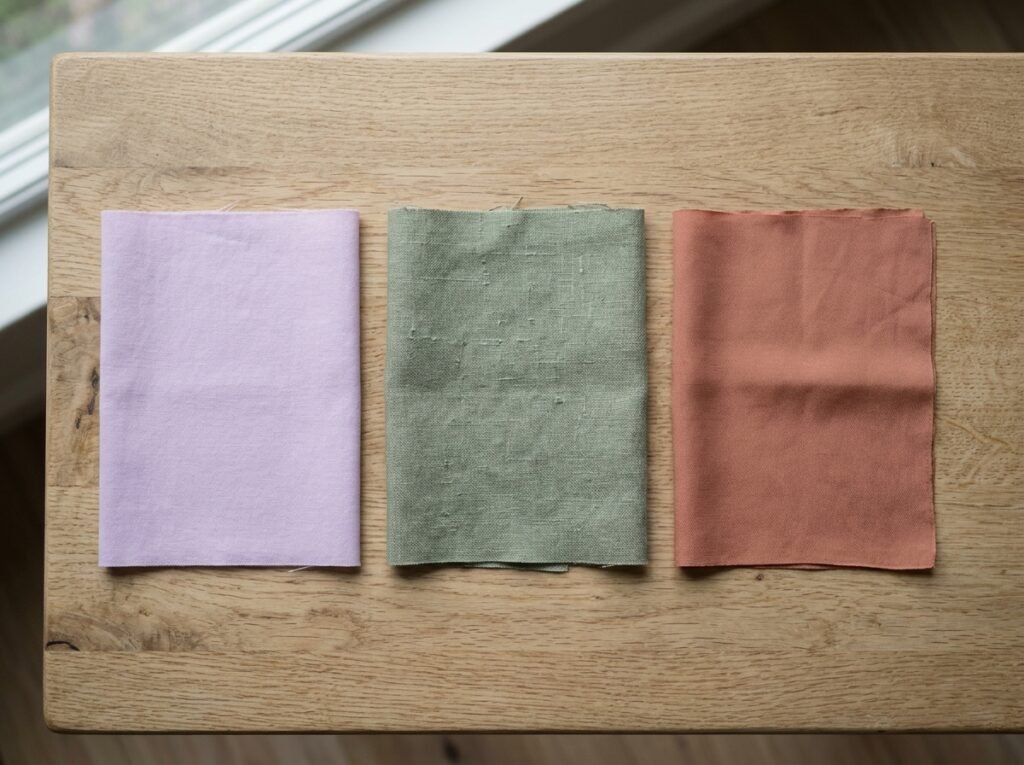
- Soft pastels (lavender, sage, peach) remain the most versatile choice for daytime and family events
- Jewel tones (emerald, maroon, navy) suit evening or festive settings
- Neutral earth tones (terracotta, beige) work well for casual, everyday ethnic looks
A simple rule of thumb: lighter fabrics and pastel shades for day events, richer fabrics and deeper tones for evening ones.
Styling Tips That Make a Real Difference
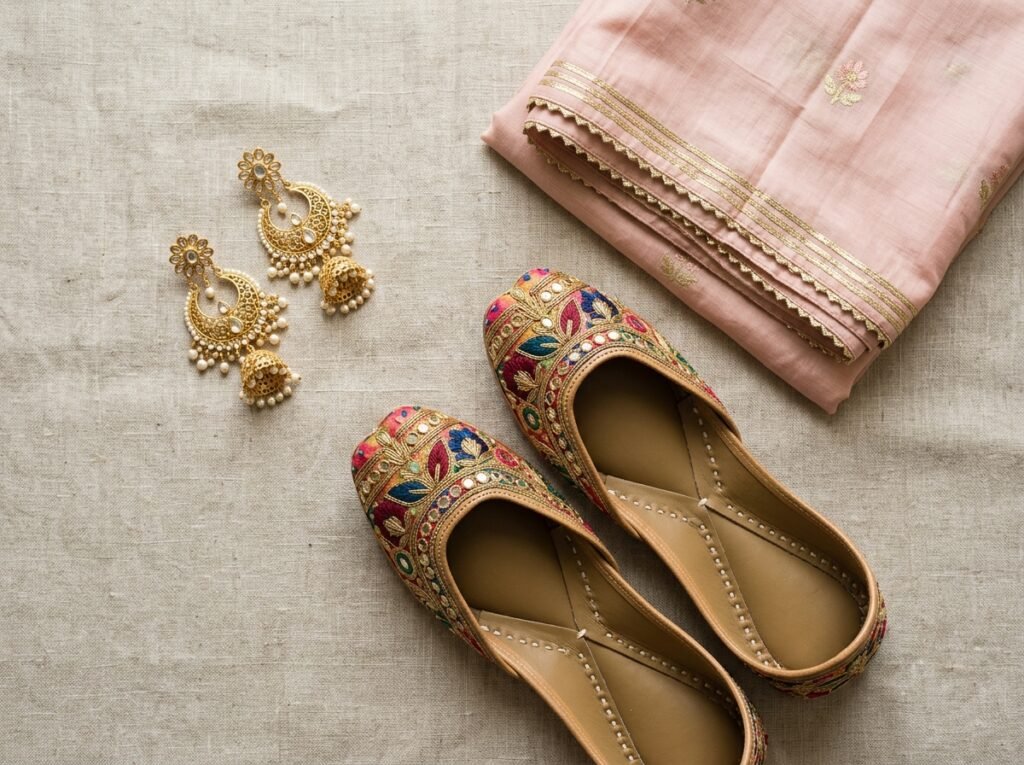
A well-chosen dress can still fall flat without the right finishing touches. A few things that consistently elevate an ethnic outfit:
- Keep jewelry proportional — a statement dress needs minimal jewelry, while a plain kurta can carry bolder accessories.
- Footwear matters more than people think — juttis or block heels suit traditional silhouettes better than sporty sandals.
- Dupatta styling changes the whole look — draped over one shoulder for a casual feel, or pinned neatly for formal settings.
- Don’t over-layer — one statement piece (a jacket, cape, or dupatta) is usually enough; adding more can make the outfit feel busy rather than polished.
These small choices are often what separates an outfit that looks “put together” from one that looks like an afterthought.
Also Read: Casual Summer Dress Looks: 10 Easy Short Dress Ideas
Quick Answer: What Is the Best Ethnic Dress Outfit for Girls?
The best ethnic dress outfit for girls in 2026 is a comfortable, breathable piece — like a cotton kurta set, co-ord set, or draped saree-style dress — in a pastel or jewel-toned shade, paired with minimal jewelry and traditional footwear. It should suit the occasion first, and follow trends second.
Final Thoughts
There’s no single “perfect” ethnic dress — the best outfit is the one that matches the occasion, feels comfortable to move in, and still reflects personal style. Starting with a well-fitted cotton kurta set or a simple co-ord, then experimenting with drapes, layers, and color as confidence grows, is the easiest way to build an ethnic wardrobe that actually gets worn — not just admired on a hanger.
FAQ Section
What is the most versatile ethnic dress for everyday wear?
A cotton kurta set or a simple co-ord set is the most versatile choice. Both are comfortable for long days and easy to dress up or down with accessories.
Which colors are trending in ethnic dresses right now?
Soft pastels like lavender, sage green, and peach are leading for daytime and casual wear, while jewel tones like emerald and maroon are popular for festive or evening occasions.
What footwear goes best with an ethnic dress?
Traditional footwear like juttis, block heels, or embellished flats complements ethnic outfits better than casual sneakers or sporty sandals.
Can an ethnic dress be worn for daily use, or is it only for special occasions?
Yes. Lightweight cotton kurtas, co-ord sets, and kaftan-style dresses are designed for everyday comfort and don’t need a special occasion to be worn.
How do I choose an ethnic dress for my body type?
Straight-cut kurtas and A-line silhouettes suit most body types, while cape-style or layered pieces add structure for those who prefer a more tailored look. Trying a few silhouettes in-store or checking size charts carefully when shopping online helps avoid fit issues.
Is an indo-western dress considered “ethnic wear”?
Yes, indo-western dresses blend traditional Indian elements — like drapes, prints, or fabrics — with modern Western cuts, making them a popular fusion category within ethnic wear.