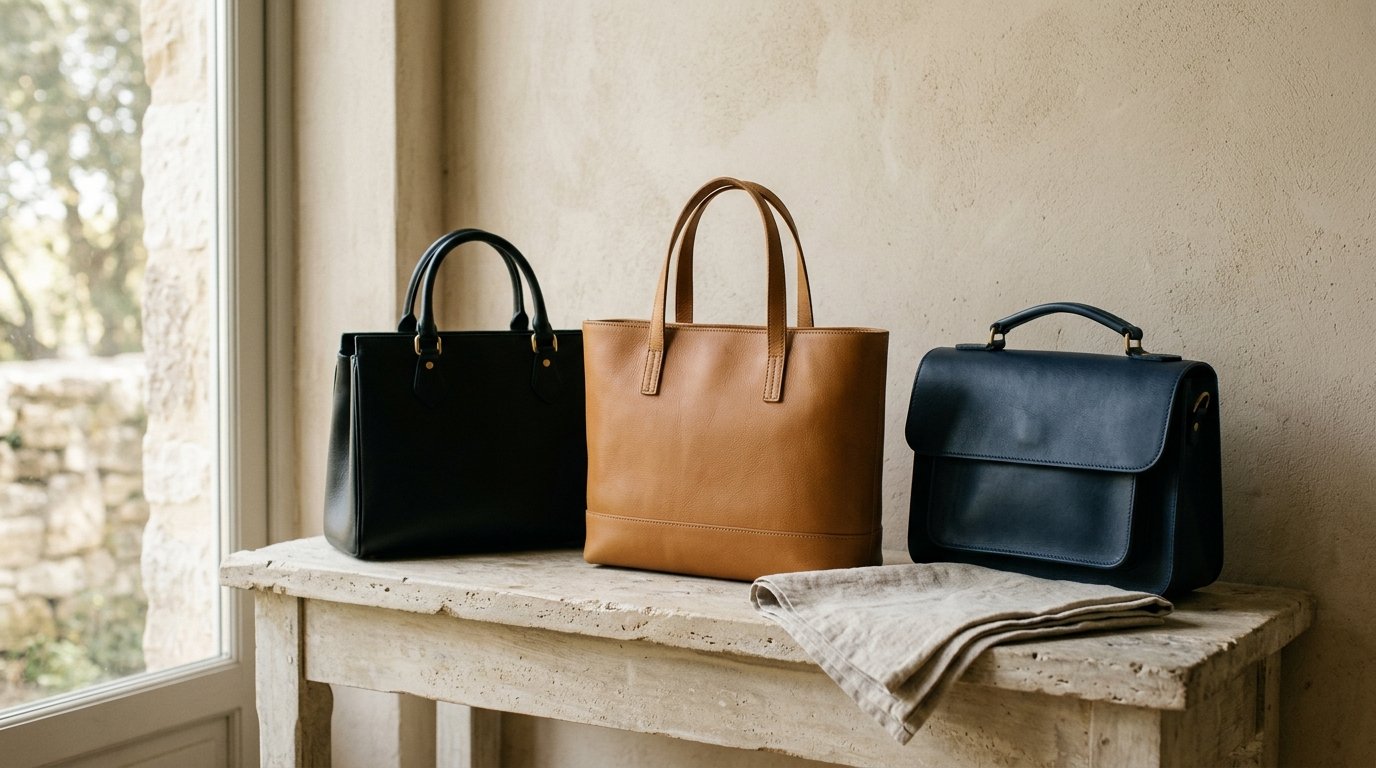
Best Luxury Handbags Worth the Investment in 2026
There is a mistake that repeats itself in boutiques from Paris to Seoul, and it costs people real money. A buyer decides to make one significant handbag purchase, walks in with a serious budget, and then chooses the piece that looks most exciting under the boutique lighting — the seasonal colour, the oversized silhouette, the bag the house is pushing hardest that month. The best luxury handbags worth the investment are almost never those bags. They are the quiet, repetitive, unglamorous icons a house has been making the same way for thirty or fifty years, and the reason has nothing to do with taste.
It has to do with supply.
Key Takeaways
- Resale strength is created by scarcity and distribution control, not by price. A house that limits access will always outperform a house that sells freely, regardless of what either charges.
- A very small number of models account for most of the value retention in the entire category. Everything else depreciates.
- Within a single house, one model can hold value beautifully while another loses half its price. Model selection matters more than brand selection.
- Configuration is not a cosmetic decision. Colour, leather and hardware routinely swing resale outcomes by thousands.
- Boutique price increases are the invisible engine of appreciation. They raise the replacement cost of every bag already in circulation.
- Global demand smooths the market. A truly iconic bag has buyers in every region, which is what makes it liquid.
By the Numbers — Rules of Thumb
These are general market ranges rather than audited figures, and they move. Treat them as orientation, not as quotations.
- Roughly 5–10% — the annual boutique price increase most major houses have settled into
- Around 25–30 cm — the width band where resale demand is deepest across almost every house
- Three to five houses — the realistic number whose bags reliably resell near or above retail
- A decade or more — the holding period over which handbag appreciation genuinely compounds
- Two to four colours — the neutral palette that carries the overwhelming majority of resale liquidity
What Are the Best Luxury Handbags Worth the Investment?
The best luxury handbags worth the investment are classic, permanently produced silhouettes from houses that restrict supply and never discount. In practice this means Hermès quota bags, the Chanel Classic Flap, Goyard totes, the Lady Dior, and the core Louis Vuitton icons. Neutral colours, mid-range sizes and complete original packaging drive the strongest resale outcomes.
Brand Value Retention: The League Table
Retention describes what a bag fetches on the authenticated secondary market as a proportion of what it cost new. It is the only metric in this category that actually answers the question buyers are asking. The table below groups houses by observed behaviour rather than by prestige, because those two things are not the same.
| Tier | Houses | Typical resale behaviour | What creates it |
|---|---|---|---|
| Appreciating | Hermès (quota bags), Goyard | Frequently sells at or above original retail | Waitlists, no e-commerce for core lines, no advertising, no discounting |
| Strongly holding | Chanel, select Dior and Bottega Veneta icons | Retains a high proportion of current, not original, retail | Aggressive annual price increases plus genuine icon status |
| Liquid and stable | Louis Vuitton core canvas lines | Moderate retention, but sells fast anywhere in the world | Enormous global recognition and constant demand |
| Selective | Loewe, Celine, The Row, Saint Laurent | Individual models hold well; the house average does not | Design-led buyers, narrower but loyal secondary market |
| Depreciating | Most contemporary and diffusion labels | Steep initial loss, thin resale demand | High production volume, frequent discounting, trend dependence |
Read that table the way an analyst would, not the way a shopper would. The variable doing the work in the top two rows is control. Houses that decide who may buy, how often, and at what price create scarcity that survives long after the season ends. Houses that sell to anyone who walks in, and then discount at the end of the year, teach the market that their bags are replaceable — and the resale price reflects that lesson permanently.
This is also why a modest bag from a tightly controlled house can outperform an expensive bag from a freely distributed one. Price is a signal. Access is the asset.
The Top Tier: Bags That Regularly Resell Above Retail
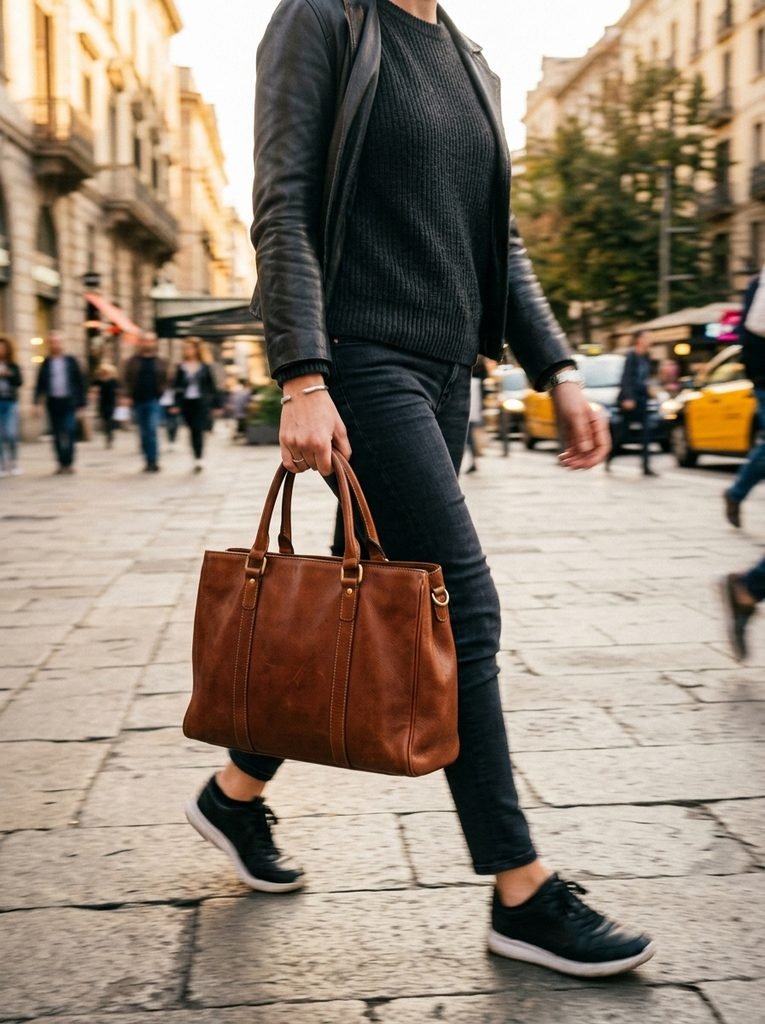
At the very top of the market, a handful of bags behave less like accessories than like traded objects. Supply is deliberately constrained, waiting periods are measured in years rather than weeks, and there is a global buyer base competing for the same limited output.
| Bag | Approximate global retail band | Secondary market behaviour | Why it holds |
|---|---|---|---|
| Hermès Birkin, mid sizes | Five figures | Consistently trades well above boutique price | Artisan production, quota access, no discounting in the brand’s history |
| Hermès Kelly, mid sizes | Five figures | Comparable premium to the Birkin | Same scarcity structure, more labour-intensive construction |
| Hermès Constance | Five figures | Strong premium, especially in small sizes | Compact format, restrained hardware, very limited supply |
| Chanel Classic Flap, medium | Five figures | Retains a high share of current retail | Repeated price increases lift the floor for existing bags |
| Goyard St. Louis and Anjou | Low four figures | Unusually firm for the price point | No online sales, no advertising, controlled distribution |
The Hermès case and the Chanel case are often lumped together, but they work differently and it is worth understanding why.
Hermès bags appreciate because access is rationed. The gap between boutique price and secondary price is not a reflection of superior materials — it is the market pricing the difficulty of obtaining one. Chanel bags behave differently. A Classic Flap rarely resells for more than its current boutique price. What has happened instead is that the boutique price itself has climbed relentlessly for well over a decade, which means a bag bought several years ago is now worth a substantial multiple of what its owner actually paid. The owner did not beat the market. The market moved underneath them while they held.
Both outcomes are good for the buyer. Only one of them is appreciation in the strict sense, and it is worth being precise about that if you are making a financial decision rather than an emotional one.
Best Investment Handbags Under $5,000
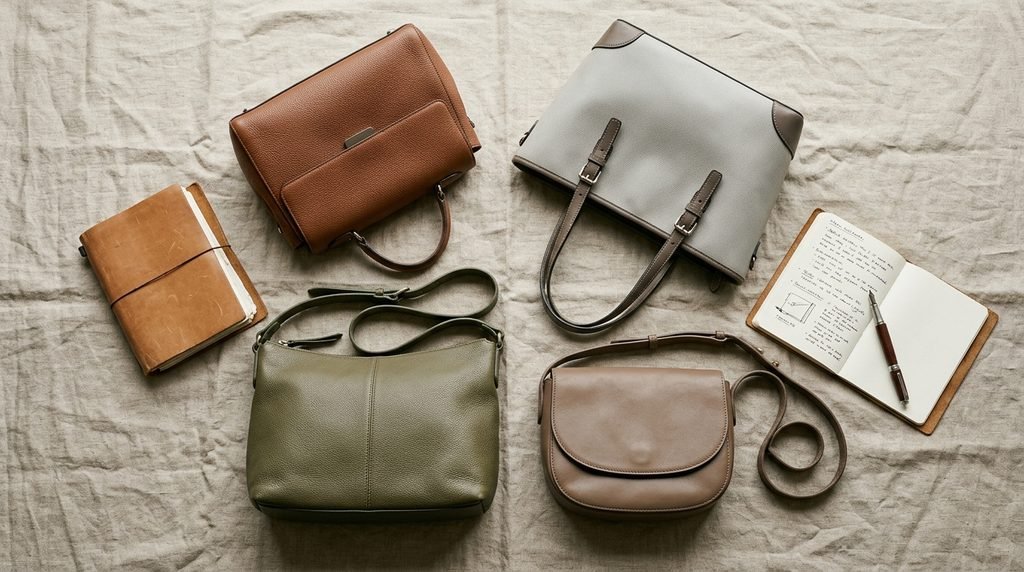
Most readers of this article will never buy a quota bag, and framing the entire category around bags that require a years-long relationship with a boutique is unhelpful. The more useful question is where the accessible tier holds up — and it holds up better than the top-heavy coverage suggests.
| Bag | Approximate retail band | Retention profile | Best suited to |
|---|---|---|---|
| Goyard St. Louis PM | Low four figures | Excellent for the price point | Buyers who want retention without a five-figure spend |
| Louis Vuitton Speedy | Around $2,000 | Moderate but exceptionally liquid | A first serious luxury purchase |
| Louis Vuitton Neverfull | Around $2,000–$2,500 | Moderate, sells quickly worldwide | Daily carry with an easy exit |
| Bottega Veneta Jodie, smaller sizes | Mid four figures | Improving steadily | Logo-free, quiet-luxury buyers |
| Loewe Puzzle, small | Mid four figures | Solid for a design-led house | Buyers prioritising craft over recognition |
| Lady Dior, medium | Upper four figures | Reliable for a structured classic | Formal wardrobes and long holds |
There is a strategic point hiding in this table. Liquidity and retention are separate qualities, and beginners confuse them constantly. A Louis Vuitton icon may not hold the highest percentage of its price, but it can be sold in almost any country within days, which has genuine value if you ever need to exit. A more specialised bag might retain a higher percentage on paper while sitting unsold for months because the buyer pool is small. Decide which of those two properties you actually need before you choose.
How Retail Price Increases Quietly Build Your Equity
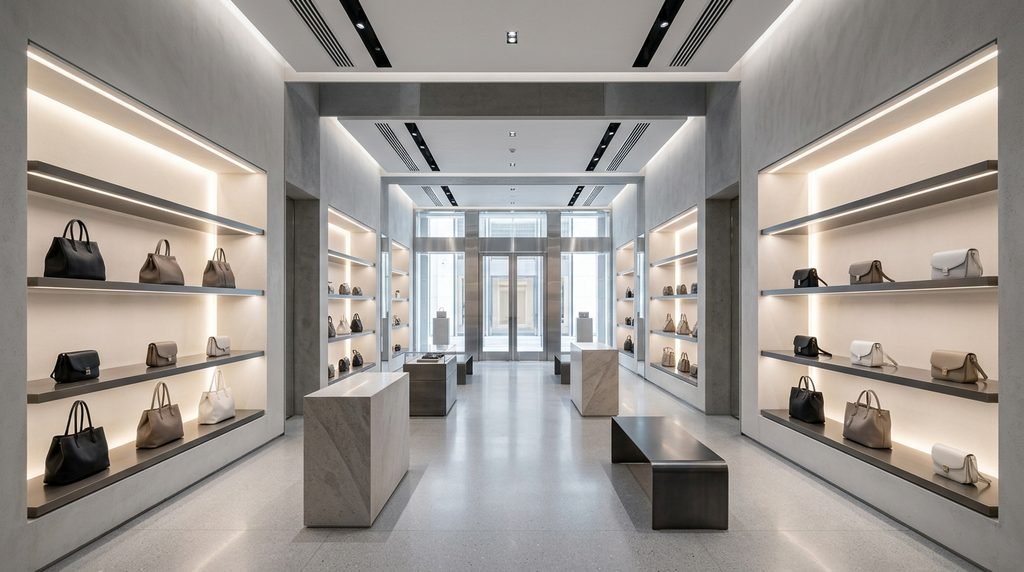
This is the mechanism most buyers never model, and it explains why patient owners do well even when they never intended to sell anything.
| Force | What it does | Effect on an existing bag |
|---|---|---|
| Annual boutique increases | Raises the price of the same bag every year | Lifts the replacement cost, and therefore the resale floor |
| Currency movement | Changes what a bag costs in each market | Creates cross-border price gaps buyers actively exploit |
| Regional price harmonisation | Narrows gaps between markets | Removes the cheapest sources over time |
| Production constraints | Limits how many bags exist | Sustains scarcity independently of price |
| Discontinuation | Removes a colour, size or material | Turns ordinary stock into limited stock |
The compounding here is slow and almost invisible month to month. But consider what happens over ten years to a bag that rises by even a mid-single-digit percentage annually while remaining in continuous production and continuous demand. The person shopping for that model in a decade will not be comparing your bag to the price you paid. They will be comparing it to the price on the shelf that day — and that price will be considerably higher.
Discontinuation deserves particular attention, because it is the one force that acts suddenly. When a house retires a colourway, a leather or an entire size, the existing supply becomes fixed forever. Demand does not disappear at the same moment. That mismatch is where some of the sharpest secondary-market movements in this category originate.
Condition, Colour and Hardware: The Multipliers
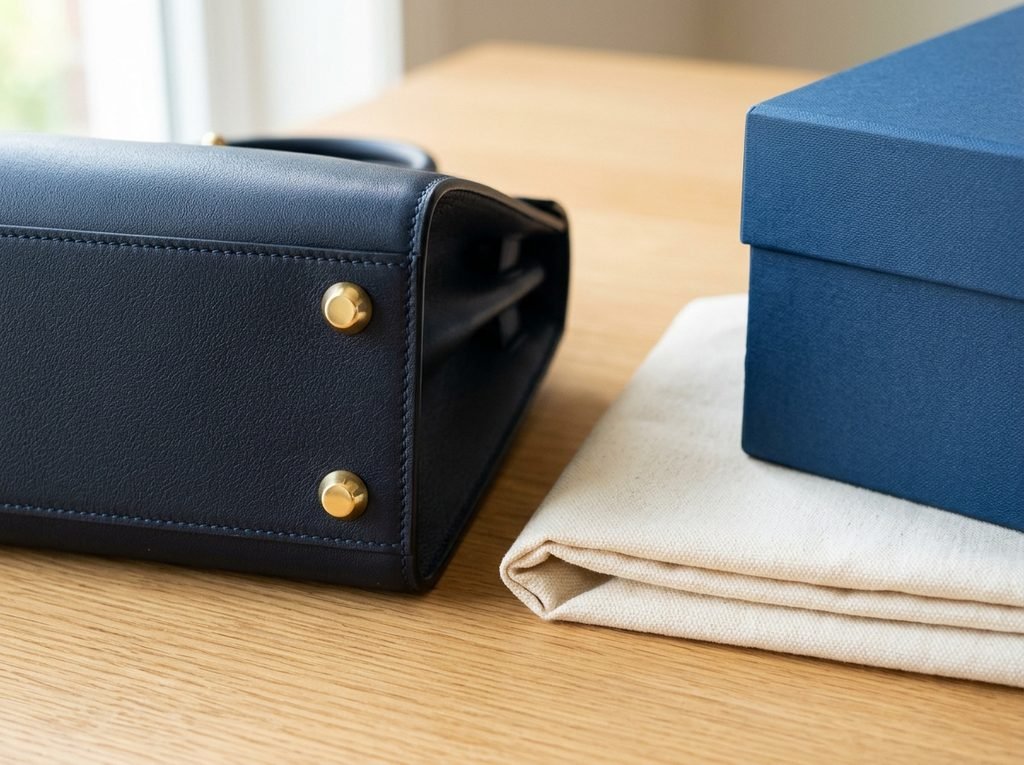
Two identical models can differ enormously in resale value. These are the variables that decide it, ranked roughly by how much they matter.
| Factor | Direction of effect | Practical guidance |
|---|---|---|
| Authentication | Decisive | An unverifiable bag is worth a fraction of its value, genuine or not |
| Condition | Very large | Corner wear, handle darkening and interior staining produce the steepest deductions |
| Colour | Large | Black, beige, brown and navy sell fastest everywhere in the world |
| Complete packaging | Meaningful | Box, dust bag, card and receipt materially improve buyer confidence |
| Hardware | Meaningful | Gold and palladium outperform seasonal and blackened finishes |
| Leather choice | Meaningful | Grained and structured leathers age better than delicate smooth finishes |
| Size | Moderate but real | Mid-size formats outperform both micro and oversized versions |
The uncomfortable conclusion buried in this table is that the version of a bag which resells best is usually the version that felt least interesting in the boutique. Restraint is the profitable choice. It is also, not coincidentally, the version you are most likely to still be carrying in fifteen years.
Where Buyers Actually Lose Money
An honest guide has to cover the losses, and they cluster into four recognisable patterns.
- Buying the collaboration. Limited drops and designer collaborations can spike hard and fast. The problem is the exit: the buyer pool is narrow, the window is short, and enthusiasm fades faster than it built.
- Buying the trend cycle. Archive revivals generate enormous attention, but a revived bag is being bought for its cultural moment rather than its permanence. Moments end.
- Buying the wrong dimensions. Very large totes and very small novelty formats both underperform. The market wants bags people actually carry daily.
- Buying without verification. In a category this heavily counterfeited, authentication is not optional and never has been. Skipping it does not save money; it destroys the asset.
There is a broader point that belongs here too. A handbag generates no income. It requires storage, care and often insurance. It is illiquid compared with financial assets, and selling it involves commissions that can consume a meaningful slice of the proceeds. Past appreciation on a narrow set of models is not a forecast, and nobody — including any writer covering this subject — can guarantee a future resale figure. Buy a bag you want to own. Treat resilient value as insurance against regret, not as the reason for the purchase.
New vs Pre-Owned: Which Route Wins
Buying at retail makes sense when a model is subject to steady price increases and you can actually access it. For the top tier, that second clause is the hard part: access is relationship-based, unpredictable and, in many markets, effectively closed to new customers.
Buying pre-owned makes sense when you want a specific configuration today, when you want a discontinued colour or material, or when boutique pricing has run far enough ahead that authenticated secondary supply is simply the better arithmetic. For accessible-tier bags, pre-owned frequently wins outright. For the most restricted models, it is often the only realistic route.
One global note worth making: because the secondary market is genuinely international, buyers in markets with limited boutique presence are not disadvantaged the way they once were. A well-authenticated bag purchased through a reputable platform in another country carries the same value as one bought from a flagship store. Provenance matters. Postcode does not.
Also Read: Luxury Anti-Aging Skincare Products Worth the Money
Your Next Steps
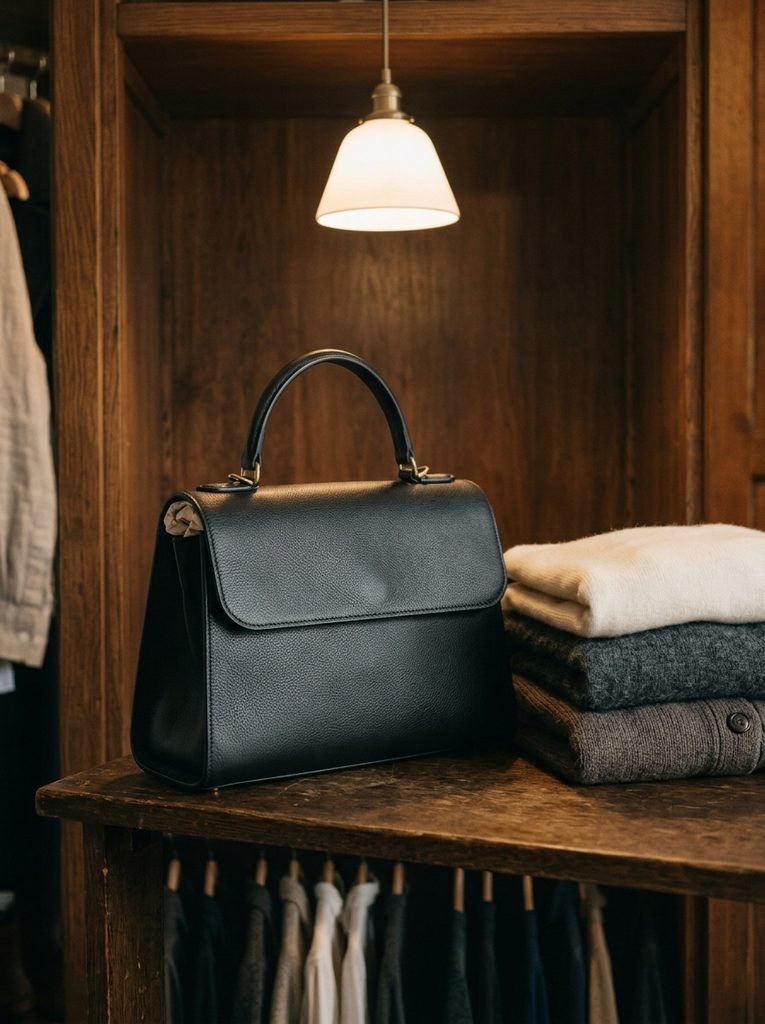
- Set your budget tier before you choose a model. Reversing that order is the single most common route to overspending on the wrong bag.
- Choose the unexciting configuration. Neutral colour, classic leather, gold or palladium hardware, mid-range size.
- Research completed sales, not asking prices. Listings tell you what sellers hope for; completed sales tell you what the market actually pays.
- Keep everything from day one. Box, dust bag, authenticity card, receipt.
- Store the bag properly. Lightly stuffed to hold its shape, away from direct sunlight and heat, in its dust bag.
- Plan to hold for a decade. Short holds are usually consumed by commissions and fees before appreciation has a chance to work.
- Carry it. A bag sitting untouched in a wardrobe earns nothing in the meantime, and sensible wear on a classic leather is well tolerated by the market.
FAQ
Do luxury handbags really appreciate in value?
A small minority do. Reliable appreciation is concentrated in a handful of tightly controlled models, and even within those, results vary by size, leather and colour. The overwhelming majority of designer handbags lose value. Treat appreciation as an outcome you have to deliberately select for, not as a property of the category.
Which handbag brand holds its value best?
Houses that restrict access and refuse to discount perform best — Hermès and Goyard sit at the top of that logic, with Chanel close behind on the strength of its pricing trajectory. Louis Vuitton offers lower retention but unmatched global liquidity. Brand alone will not save a poorly chosen configuration.
Is a Chanel Classic Flap still a good investment?
For a classic configuration held over many years, it remains one of the more defensible purchases in the category, because rising boutique prices continually lift the replacement cost of existing bags. It is unlikely to resell above current retail, but a well-kept example in a neutral colourway retains a high share of it.
What is the best investment handbag under $3,000?
A Goyard tote or a core Louis Vuitton icon. The Goyard offers unusually firm retention for its price because of how tightly the house controls distribution. The Louis Vuitton icons offer something different but equally valuable: the ability to sell almost anywhere in the world, quickly.
Does buying pre-owned reduce a bag’s investment value?
No. Resale value is determined by model, condition, configuration and verified authenticity — not by how many owners a bag has had. Buying authenticated pre-owned often strengthens the investment case, because you enter below current boutique pricing while that pricing continues to climb.
How long should I hold a luxury handbag before selling?
Realistically, a decade. Appreciation in this category is driven by slow, compounding retail increases and gradual scarcity, and short holds are frequently eaten by consignment commissions and platform fees before any of that has time to work.
1 thought on “Best Luxury Handbags Worth the Investment in 2026”
Comments are closed.