
Best Premium Clothing Brands For Women: A Buyer’s Guide To Every Price Tier
The premium clothing market has quietly stopped behaving the way shoppers expect it to. Ten years ago, spending more reliably bought you more — heavier fabric, better seams, a garment that survived the wash. That relationship has loosened. Some labels have raised prices far beyond any change in how their clothes are made, while a handful of younger companies now produce garments that would have passed for luxury a decade ago at half the money.
Which means the useful question is no longer where the expensive clothes are. It is where the good clothes are, and whether the price attached to them still means anything.
Quick Answer: The best premium clothing brands for women split into three tiers. Heritage houses — Hermès, Loro Piana, Burberry, Max Mara — sell material and permanence. Ready-to-wear names like Giorgio Armani, Brunello Cucinelli and Theory sell construction. Contemporary labels such as The Row, Totême, Khaite and COS sell design at a far better ratio.
What follows is arranged chronologically, because each generation of brand was built to solve a different problem. Understanding the problem tells you what the brand is still genuinely excellent at — and what you are overpaying for if you buy outside its strength.
The Premium Womenswear Timeline At A Glance
- 1830s–1940s — Material houses. Reputation built on cloth and craft. Hermès, Burberry, Chanel, Loro Piana
- 1950s–1970s — Ready-to-wear scales up. Luxury becomes a wardrobe, not an occasion. Max Mara, Ralph Lauren, Giorgio Armani
- 1980s–1990s — Minimalism and serious tailoring. The investment piece arrives. Jil Sander, Prada, Brunello Cucinelli, Theory
- 2000s–2010s — The contemporary tier opens the middle of the market. The Row, Totême, Khaite, Sézane, COS
- 2020s — Quiet branding, cost-per-wear thinking, resale as a public quality audit.
Before The Timeline: How To Tell Premium From Expensive
A high price tells you what a company believes it can charge. It tells you nothing about the garment. Here is what actually does.
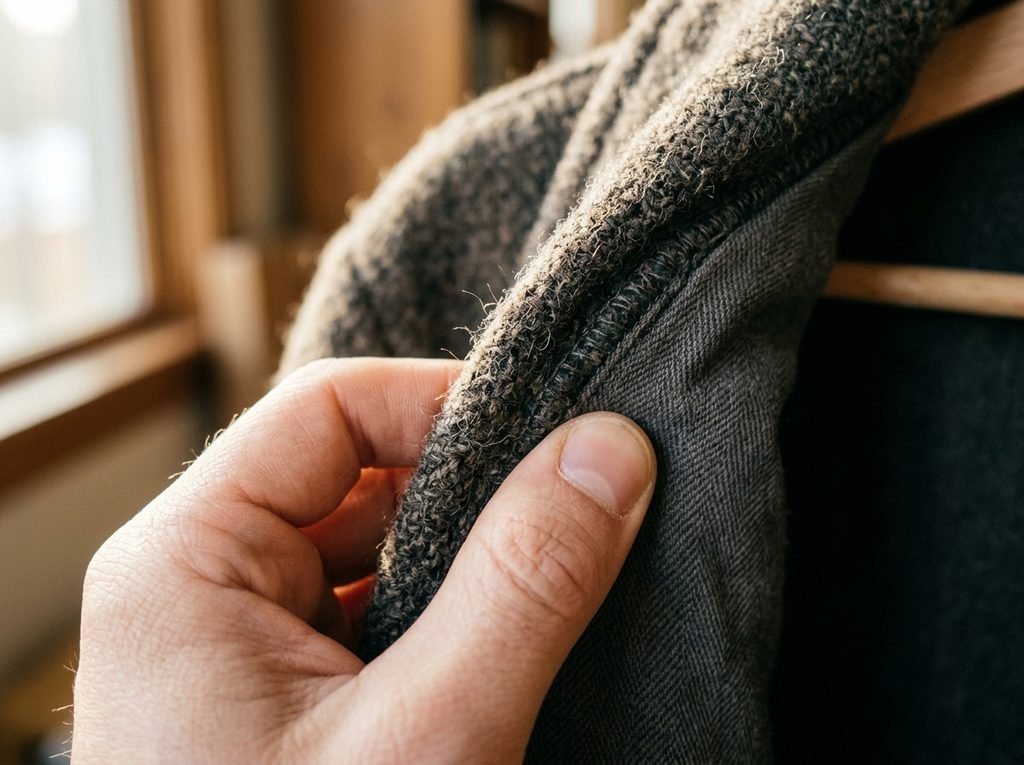
Fibre. Long-staple cotton, virgin wool rather than reprocessed, cashmere spun from longer and finer hairs, real silk with weight to it. Blends are not automatically bad, but a high synthetic percentage in a four-figure coat is a straightforward warning.
Weight and hand. Pick the garment up. Premium wool has mass; a good coat feels substantial before you put it on. Thin fabric pretending to be structured is the single most common shortcut at the mid-price level.
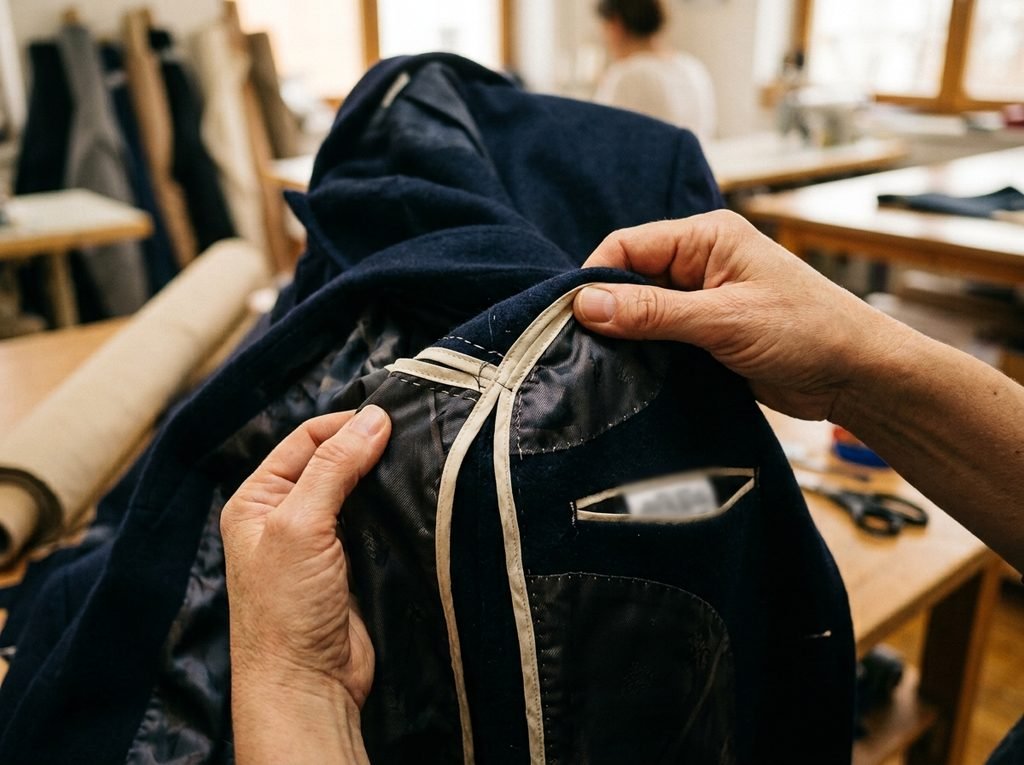
What is happening inside. Full linings on tailored pieces. Seam allowances wide enough that a tailor can let the garment out later. Finished internal seams rather than raw overlocked edges. Patterns matched across a seam, which costs fabric and therefore money.
Repeatability. A serious brand can be reordered from in four years and still deliver the same fit and the same shade. Labels that redesign their size grade every season are chasing trends, not building wardrobes.
Every brand below is judged against those four things.
1830s–1940s: The Houses That Started With Materials, Not Fashion
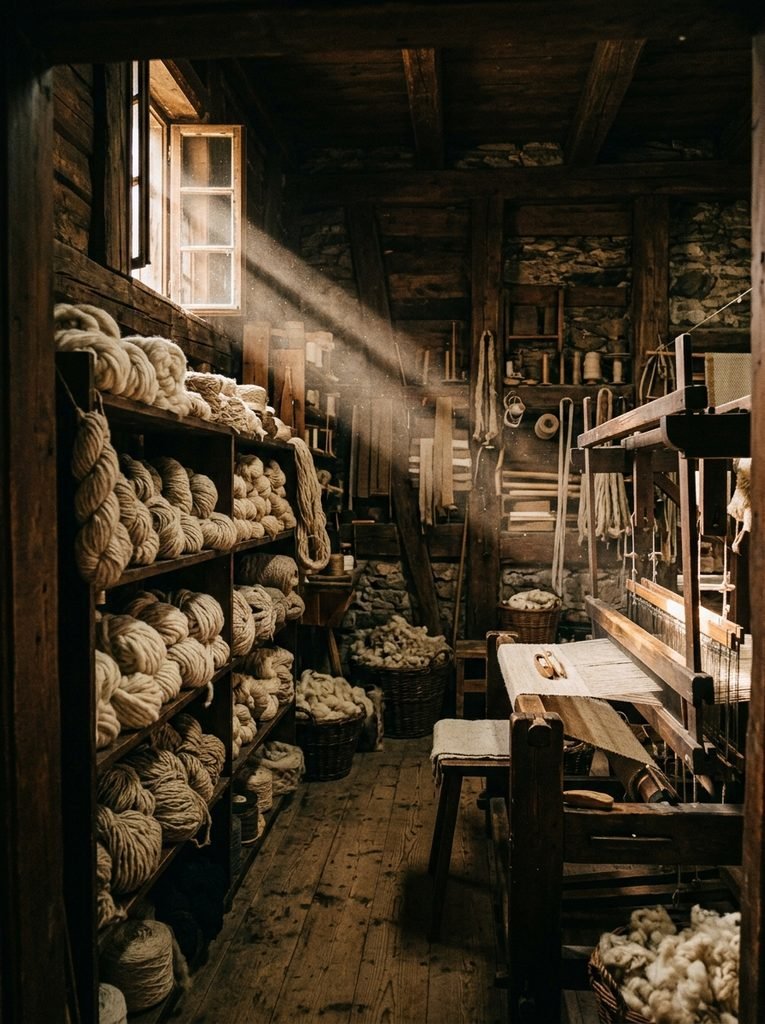
The oldest names in luxury did not begin as fashion companies at all. They were craftsmen and cloth merchants, and their entire reputation rested on the physical quality of what they sold long before seasonal collections existed. That inheritance still shows.
Hermès started in the 1830s making harnesses and saddlery, and the discipline of that work — stitching that must not fail under load — never left the company. Its womenswear line is deliberately small and sits at the absolute ceiling of the market. In practice, most shoppers meet the brand through silk rather than ready-to-wear.
Burberry, founded in the mid-1850s, built its name on a tightly woven cotton that shed rain without the weight of rubberised fabric. The trench coat that came out of that innovation remains the shape every other version of the garment is compared against, and it still commands four figures.
Loro Piana, established in the 1920s, is a fabric house first. It has supplied cloth to the rest of the industry for generations, which is why its own knitwear and outerwear can charge what they do. If you have ever wondered why two cashmere sweaters at wildly different prices feel like different materials, this is the answer: they usually are.
Chanel contributed something structural rather than material in the early twentieth century — soft jersey, relaxed tailoring, and the still-radical idea that formal womenswear did not have to be uncomfortable.
Who this tier suits: buyers making a small number of permanent purchases. One coat. One knit. Expected to last fifteen years or longer.
1950s–1970s: Ready-To-Wear Turns Luxury Into A Wardrobe
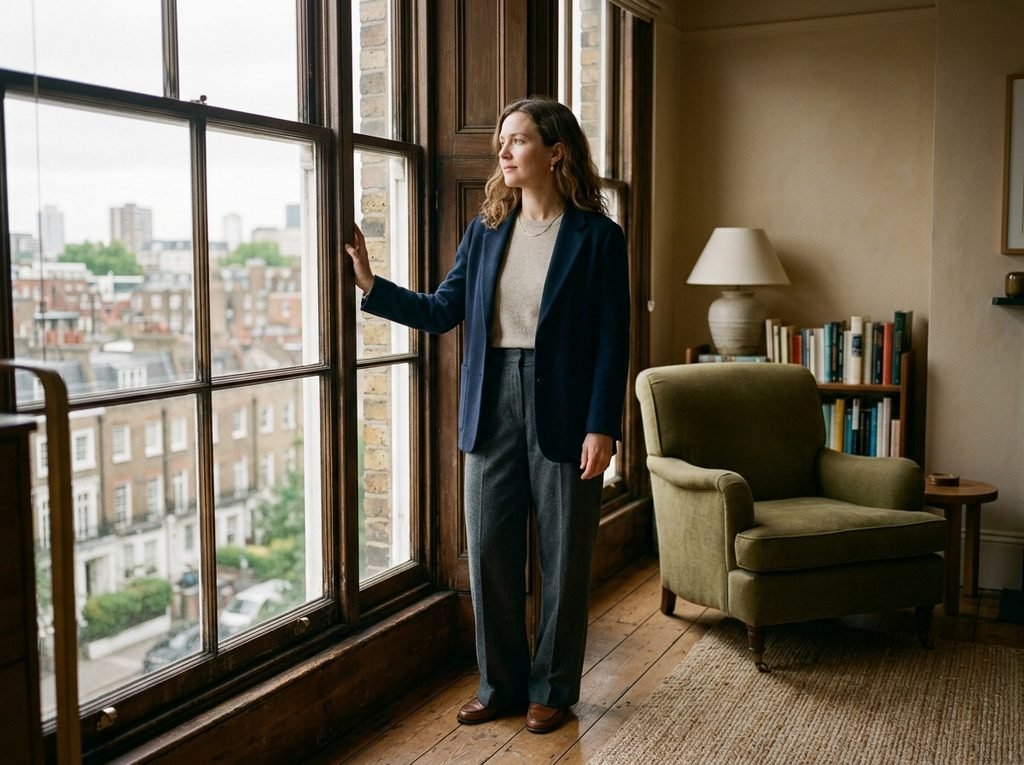
Couture dressed a tiny number of women to measure. The breakthrough of this period was applying comparable standards to garments produced in repeatable sizes — the moment premium womenswear became something an ordinary person could actually assemble over years.
Max Mara, founded in 1951, is the clearest expression of that idea. It took the luxury coat and industrialised it without hollowing it out: camel hair and wool, clean shoulder lines, almost no decoration, produced consistently enough that the same silhouette can be bought again decades later. If your budget allows exactly one significant purchase and you want maximum daily return, this remains the default recommendation.
Ralph Lauren built an American design language across the late 1960s and 1970s — shirting, knitwear, tailoring drawn from a coherent idea of relaxed elegance. The brand operates across several tiers, so checking which specific line you are buying matters more here than with almost any other name on this list.
Giorgio Armani, launched in the mid-1970s, did something genuinely technical: he removed rigid internal structure from the jacket and let the fabric do the work. Soft tailoring that moves with the shoulder rather than sitting on top of it is still the reference standard, and still the hardest thing for cheaper brands to imitate.
Buy from this tier: coats, blazers, trousers — the structured pieces where internal construction is doing the heavy lifting.
1980s–1990s: Minimalism And The Rise Of The Investment Piece
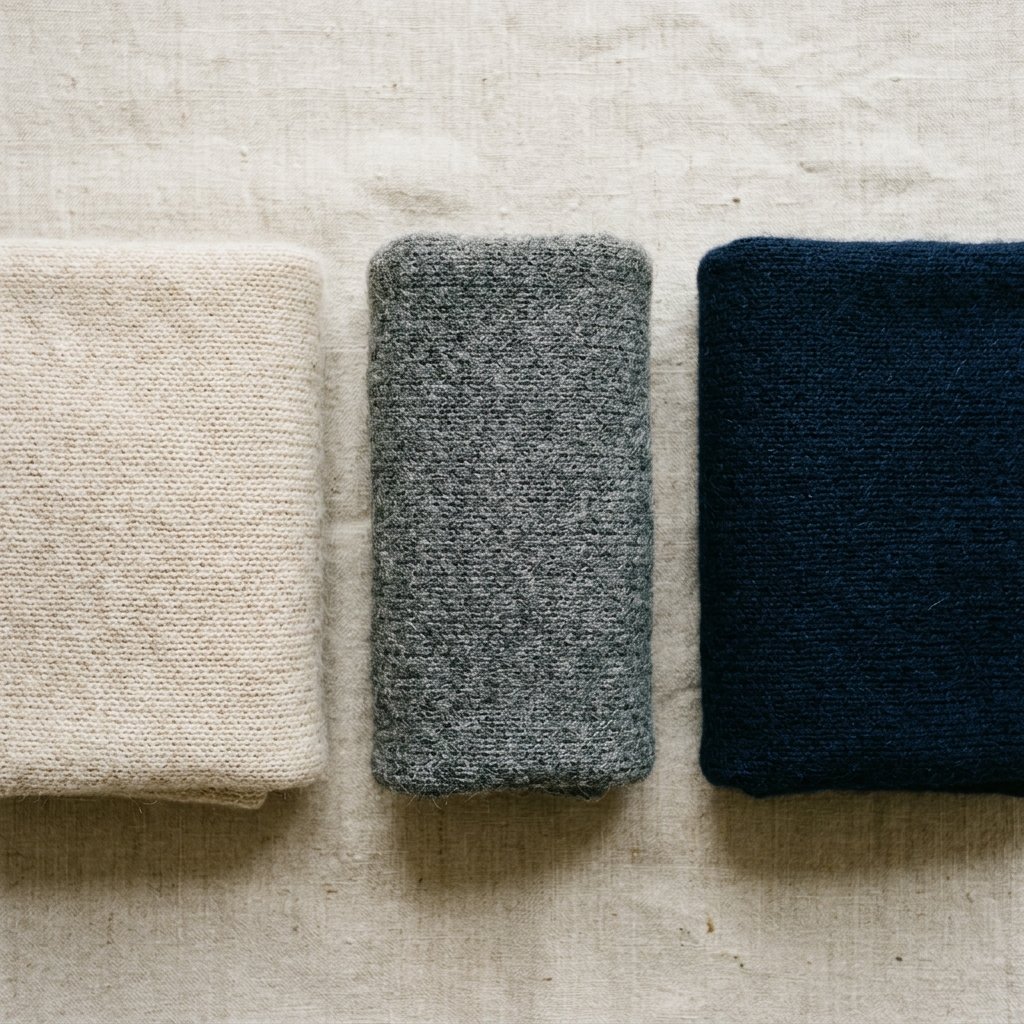
A decade of loud design produced its own reaction, and that reaction created the aesthetic that most premium shoppers still follow today.
Jil Sander reduced womenswear to two variables: proportion and fabric. Strip away ornament and there is nothing left to date the garment, which is precisely why pieces from this school still read as current. Prada, which moved seriously into ready-to-wear at the end of the 1980s, argued the opposite case — that difficult, cerebral design could belong at the top of the market too.
Brunello Cucinelli, founded in 1978, built an entire company around coloured cashmere and slow regional production. Its knitwear sits near the ceiling of the market and holds its value unusually well, which is a meaningful signal in itself.
Theory arrived in 1997 with a different ambition and deserves credit for it. It delivered technically competent tailoring at a genuinely accessible premium price, and it is still one of the most dependable places to buy a work trouser or a blazer without spending four figures.
This era is where the phrase investment pieces for your wardrobe comes from, and the logic still holds. A properly cut wool trouser bought here reads correctly ten years later, because nothing about it was tied to a season.
2000s–2010s: The Contemporary Tier Opens The Middle
The most useful development for ordinary shoppers happened in this window. A cluster of contemporary luxury labels positioned themselves deliberately between mass-market retail and heritage houses — luxury-grade cutting and fabric, at roughly a third to a half of heritage pricing.
The Row, founded in 2006, sits at the very top of this group and effectively wrote the modern minimalist silhouette that the rest of the market now borrows from.
Totême, launched in 2014, is the reachable version of the same instinct: restrained Scandinavian shapes, unusually strong outerwear and denim, with most of the range concentrated in the mid-hundreds.
Khaite, founded in 2016, pushed back against pure minimalism with structure and weight — sculpted knits, heavier leather, a more assertive hand than its peers.
Sézane arrived in 2013 selling French wardrobe staples direct to the customer, and that model let it hold prices low relative to the material quality. COS, launched in 2007, sits at the entry point of the premium conversation with architectural cuts and honest, unpretentious fabric.
Who this tier suits: most people, most of the time. This is where the ratio of quality to money is currently best, and where anyone building a wardrobe from scratch should start.
2020s: Quiet Luxury And The Best Premium Clothing Brands For Women Right Now
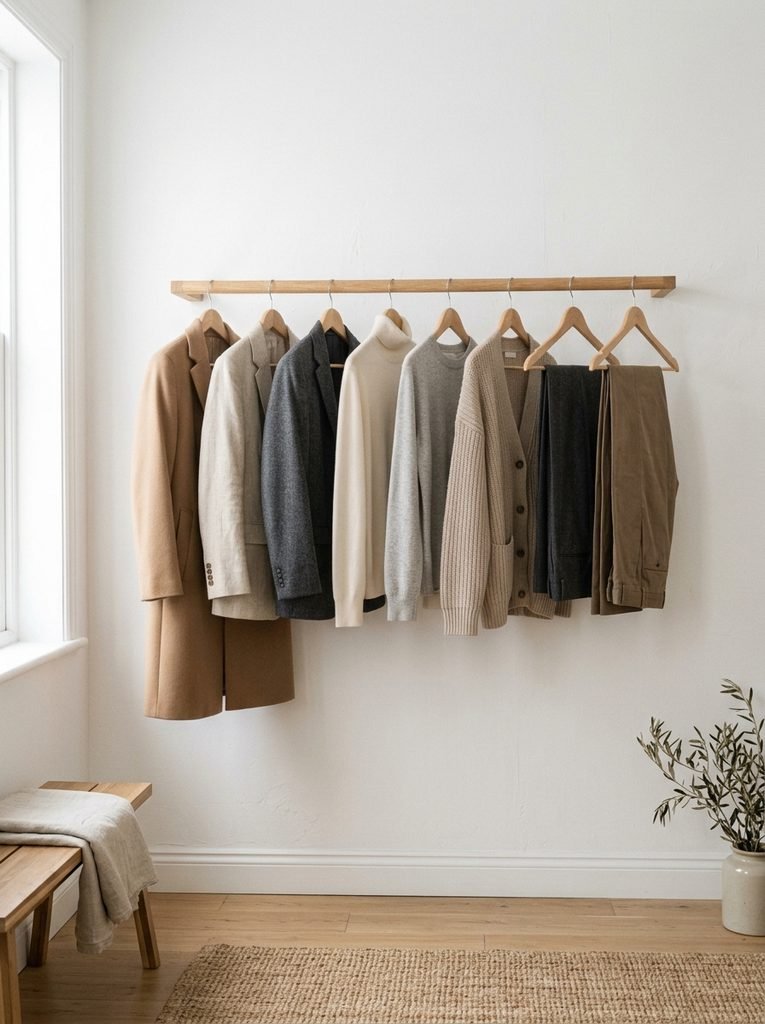
This decade has not produced a defining new silhouette. It produced a way of thinking instead — quiet luxury clothing brands stripped of visible branding, and one metric that spread everywhere: cost per wear.
The arithmetic is unglamorous and completely convincing. A coat costing a thousand dollars, worn two hundred times across five winters, costs five dollars per wearing. A hundred-dollar coat that loses its shape after eight outings costs twelve fifty. The expensive garment is the cheap one. That single calculation reorganises the whole category.
Sorted by what you actually need to buy:
- Coats — Max Mara for the definitive wool or camel coat; Totême for a cleaner, cheaper modern cut; Burberry when you specifically need weatherproof trench construction.
- Knitwear — Loro Piana and Brunello Cucinelli at the top of the market; Totême and COS for the version most people should buy.
- Tailoring — Giorgio Armani for soft structure; Theory for reliable everyday suiting; The Row if the budget is genuinely open.
- Denim and separates — Totême, Khaite and Citizens of Humanity for construction that survives repeated washing.
- Dresses and occasion wear — Sézane and Reformation at accessible prices; Khaite for structured evening pieces.
Also Read: Best Luxury Perfumes for Women: What Justifies the Price
Where Things Stand Today
The premium market has split cleanly in two, and understanding the split is worth more than any brand list.
At the top, heritage houses have raised prices faster than their materials have improved, while distribution has widened considerably. The cloth is still exceptional. But a growing share of the price now covers brand equity rather than anything you can feel between your fingers.
In the contemporary tier, the pressure ran the other way. Competition intensified, direct-to-consumer models removed layers of wholesale markup, and the fabric you get at the four-hundred-dollar mark today is measurably better than the fabric you got there fifteen years ago.
Resale has become the honest audit nobody asked for. Brands whose garments hold value secondhand — the same names that show up repeatedly in the coat and knitwear categories above — tend to be the ones that were engineered to survive. Secondhand pricing is now the fastest publicly available proxy for real durability, and it is very difficult to manipulate.
The practical conclusion: buy structured outerwear and tailoring from the heritage and ready-to-wear tiers, where construction genuinely justifies the money. Buy knitwear, denim, dresses and separates from the contemporary tier, where the value has migrated.
Key Takeaways
- Premium is a construction standard, not a price point — fibre, weight, internal finishing and consistent sizing.
- Heritage houses sell material and permanence; contemporary labels sell design at a far better ratio.
- The contemporary tier currently offers the strongest quality per dollar in the market.
- Structured garments reward high spending. Simple ones rarely do.
- Cost per wear is the only fair way to compare across price tiers.
- Resale value is a reliable public signal of how well a garment was built.
FAQ
What Actually Makes A Clothing Brand Premium?
Construction, not price. Look for natural long-staple fibres, real fabric weight, full linings on tailored pieces, finished internal seams, and seam allowances generous enough to alter. A brand charging premium prices without those features is selling positioning rather than quality.
Which Premium Piece Should I Buy First?
A coat. It is worn more often than any other garment, it is visible in every outfit it appears in, and it is the category where the gap between good and poor construction is most obvious. It also produces the lowest cost per wear of any premium purchase.
Are Contemporary Labels Really As Good As Heritage Houses?
For most of a wardrobe, yes. Contemporary brands use comparable fabric weights and cutting standards at a fraction of heritage pricing. Heritage houses earn their premium mainly in rare materials and complex structured tailoring — which matters for a few pieces, not thirty.
How Do I Judge A Brand Nobody Has Recommended To Me?
Read the composition label, then look inside the garment. Natural fibre percentages, a stated country of manufacture, a full lining, and wide seam allowances are all good signs. Then check whether the label holds any value on resale platforms — that is the hardest signal for a brand to fake.
Do Premium Clothes Genuinely Last Longer?
In structured categories, clearly yes — coats, blazers, tailored trousers. In simple jersey pieces the difference narrows considerably, which is exactly why premium spending should be concentrated where construction does the work.
Is Secondhand A Sensible Way To Buy Premium Womenswear?
Often the smartest entry point available. Heritage outerwear and knitwear are built to survive years of use, so a well-kept secondhand piece frequently outperforms a new mid-market equivalent at the same price. Check seams, lining condition and any sign of moth damage before committing.
1 thought on “Best Premium Clothing Brands For Women (2026 Guide)”
Comments are closed.