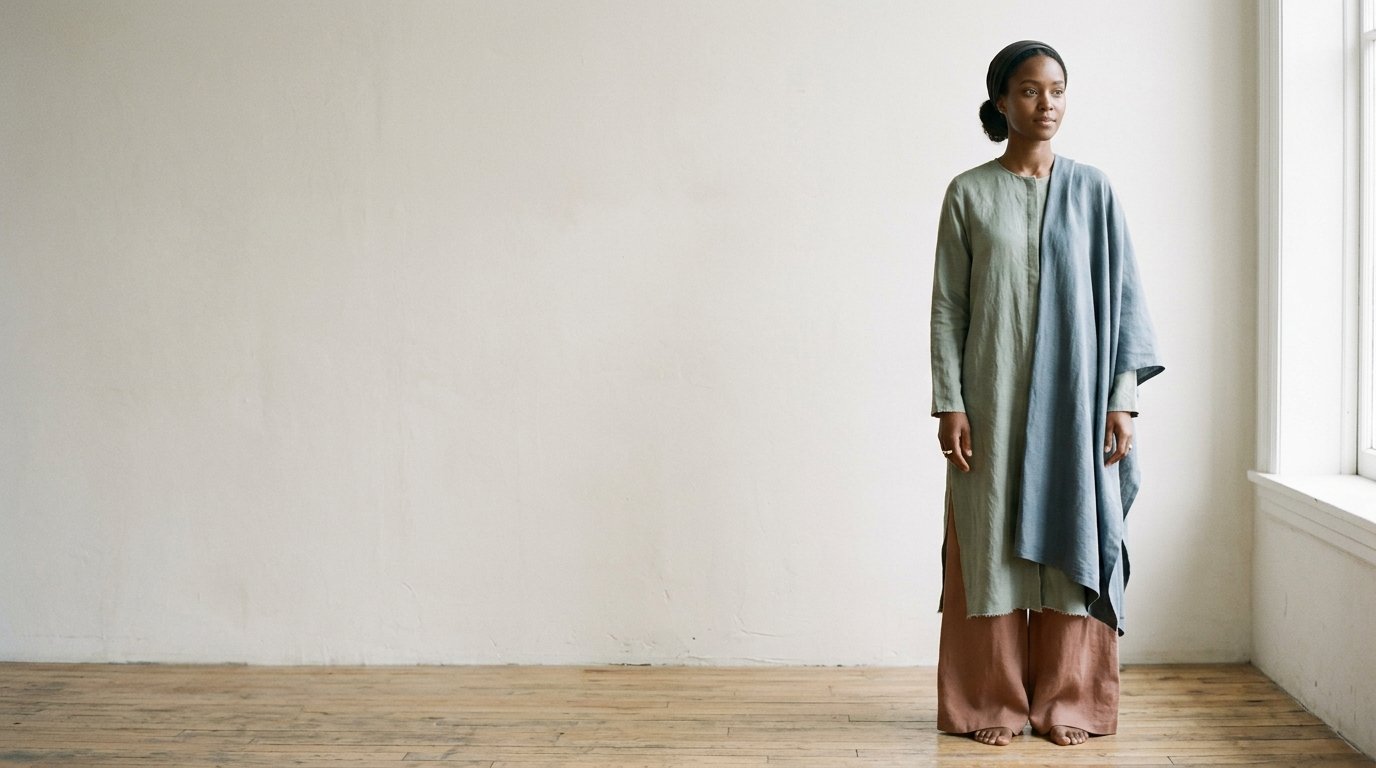
Ethnic Wear Trends 2026: Shalwar Kameez Styles That Feel Fresh Again
If your ethnic wardrobe has started to feel slightly off without anything actually being wrong with it, you are noticing a real change. Ethnic Wear Trends 2026: Shalwar Kameez Styles That Feel Fresh Again is not about a new garment arriving. It is about the same three pieces — shirt, trousers, drape — being cut in different proportions than they were three years ago, which is enough to make a perfectly good suit look like it belongs to a past season.
The change is quiet and structural. Lines got longer, trousers got wider, colour got softer, and the finishing became the thing people notice first.
Quick answer: In 2026 the shalwar kameez is built around a longer, cleaner line — mid-calf to floor-length shirts, wide and fluid trousers, low-saturation tonal colour, and hand-worked texture in place of heavy surface sparkle. The drape is treated as a designed component rather than an accessory, and construction quality has become the season’s clearest status signal.
A short history of how the suit got here
The shalwar kameez has outlasted every trend that came for it because it was never one design. It is a set of relationships: how long the shirt is against the leg, how wide the trouser is against the shirt, how the drape breaks the vertical. Change one relationship and you have a new garment without discarding anything.
That is why it resets instead of disappearing.
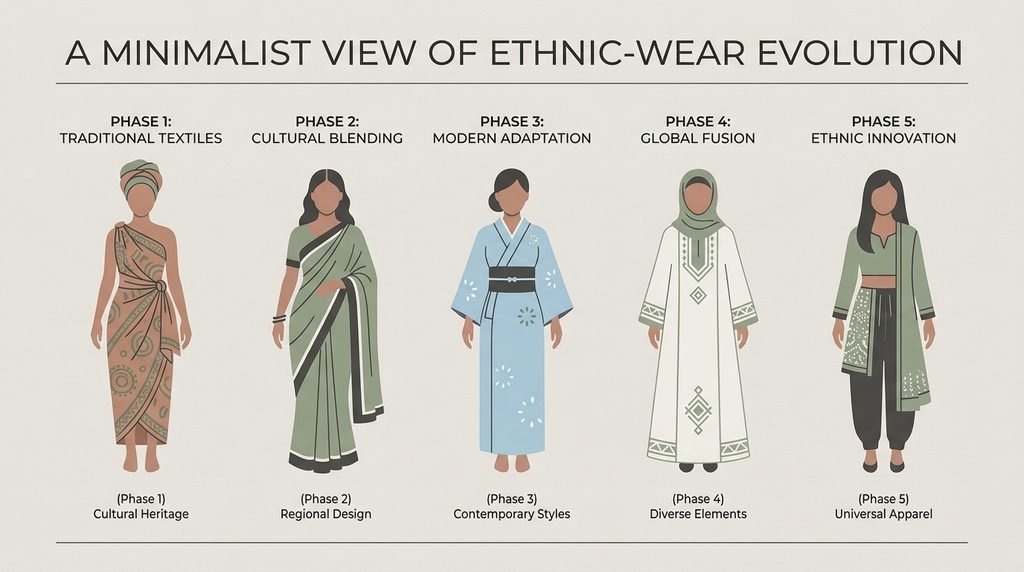
The five phases that brought us here
- The tailored decades. Most suits were made to measure. Fit was assumed, not sold, and the variation between women came from the tailor rather than the shop.
- The embellishment wave. Ready-made production scaled up and decoration became the differentiator. More surface work meant a higher price, and the eye was trained to read sparkle as value.
- The fusion years. Cropped shirts, belts, capes, jackets, narrow trousers borrowed from Western tailoring. Energetic, experimental, and a lot of it dated within a single season.
- The comfort correction. After several years of disrupted routines worldwide, softness and ease won. Shapes loosened, fabrics got lighter, and nobody wanted to be uncomfortable for eight hours.
- The 2026 reset. Comfort stayed, but shapelessness was rejected. What replaced it is length, deliberate volume and visible craftsmanship.
Look at that sequence and one thing is clear. The phases that lasted changed proportion. The phases that aged quickly changed decoration. Keep that in mind for everything below, because it tells you where to spend.
Ethnic Wear Trends 2026: Shalwar Kameez Styles That Feel Fresh Again — the seven markers
These are the details doing the work this year, wherever you happen to be shopping. You need two or three of them, not all seven.
Length is back. Shirts are sitting at mid-calf for everyday and grazing the ankle for occasion wear. After several seasons of shorter, hip-length shapes, the long unbroken line reads instantly current — and it is the single most flattering change available to most women.
Volume moved downward. The trouser is where the drama lives now. Wide, fluid legs with a proper fall have replaced the tight, gathered shapes of the fusion years. The visual logic is simple: a calm top half over a moving bottom half looks composed, while volume on both halves looks like fabric wearing you.
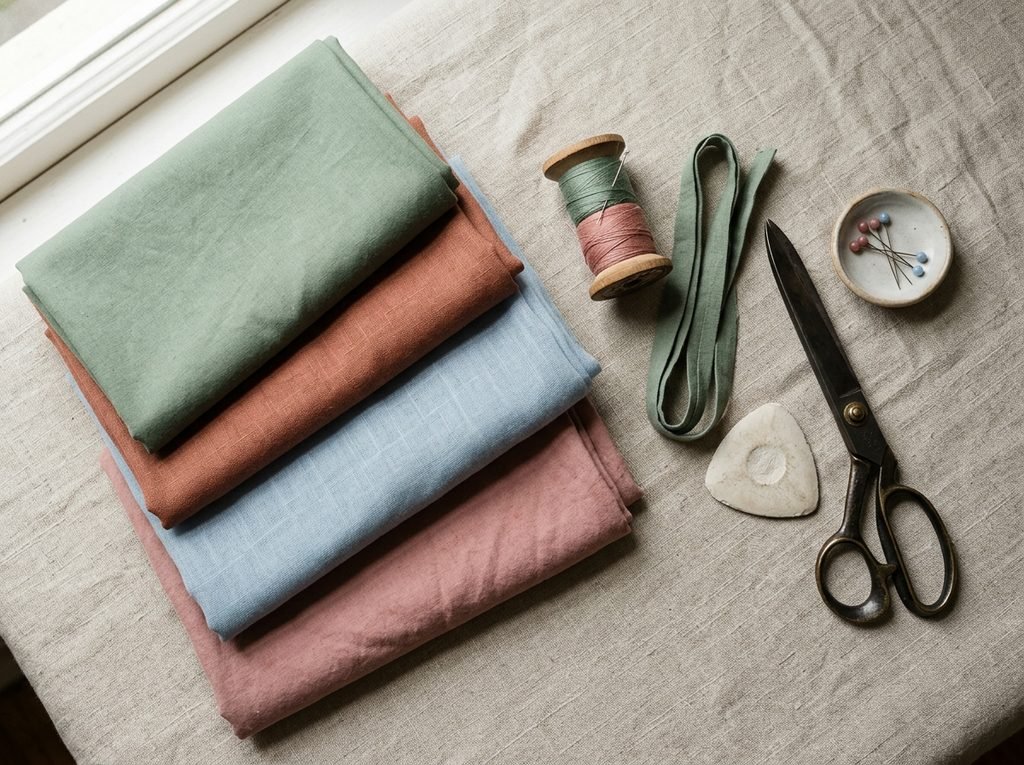
Colour dropped two shades in saturation. Dust and clay tones — muted greens, soft browns, chalky blues, faded rose, warm greys — have taken over from bright, high-contrast palettes. These shades photograph gently in daylight, which matters more than it used to, and they mix with each other far more easily than saturated colours do.
Tonal dressing over contrast dressing. Building an outfit from two or three neighbouring shades of one colour family is the season’s most reliable look. It costs nothing extra and it makes inexpensive fabric read as considered.
Texture replaced sparkle. Fine thread work, whitework, pulled-thread and openwork techniques, tonal appliqué and self-fabric detailing are carrying the decoration now. Sequins have not vanished, but they are used as accents rather than coverage.
Finishing became the luxury signal. Cuffed sleeves, faced hems, clean necklines, properly turned edges. In a season with less surface decoration, construction is the only thing left to look at, which is exactly why it has become the marker people register first.
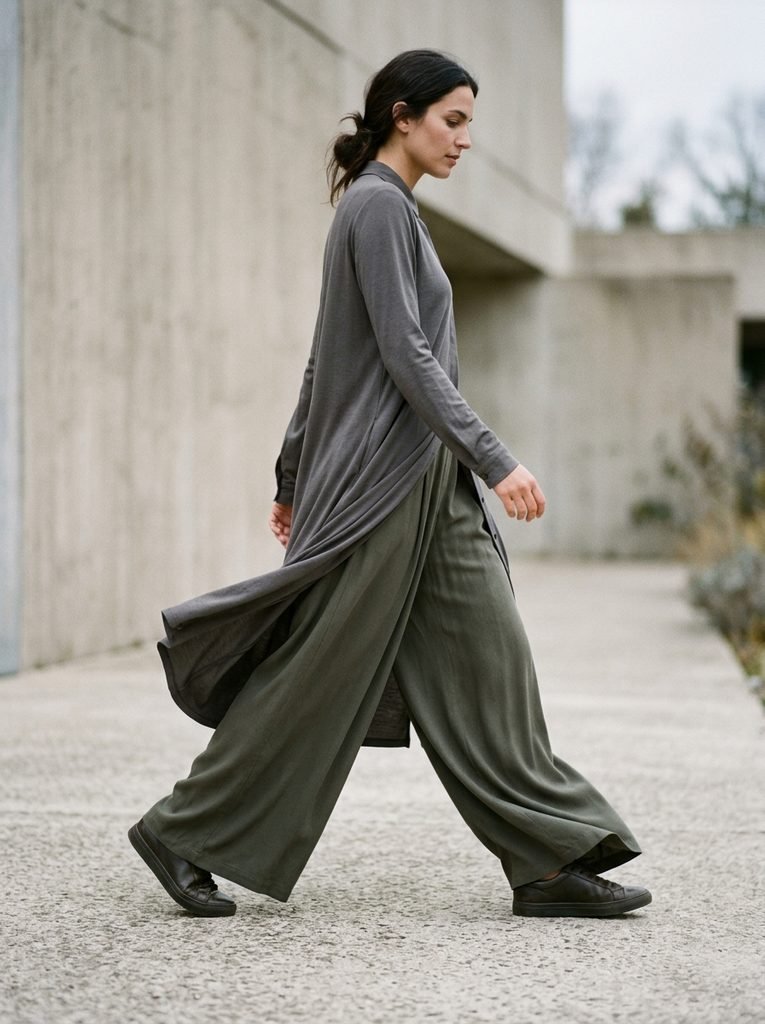
The garment crossed over. More women are wearing a long kameez with a coat, boots or plain tailored trousers, and treating it as a wardrobe piece rather than a cultural costume reserved for events. That crossover is happening in cities on several continents at once, and it is quietly the most durable trend on this list.
Breaking the suit into its four parts
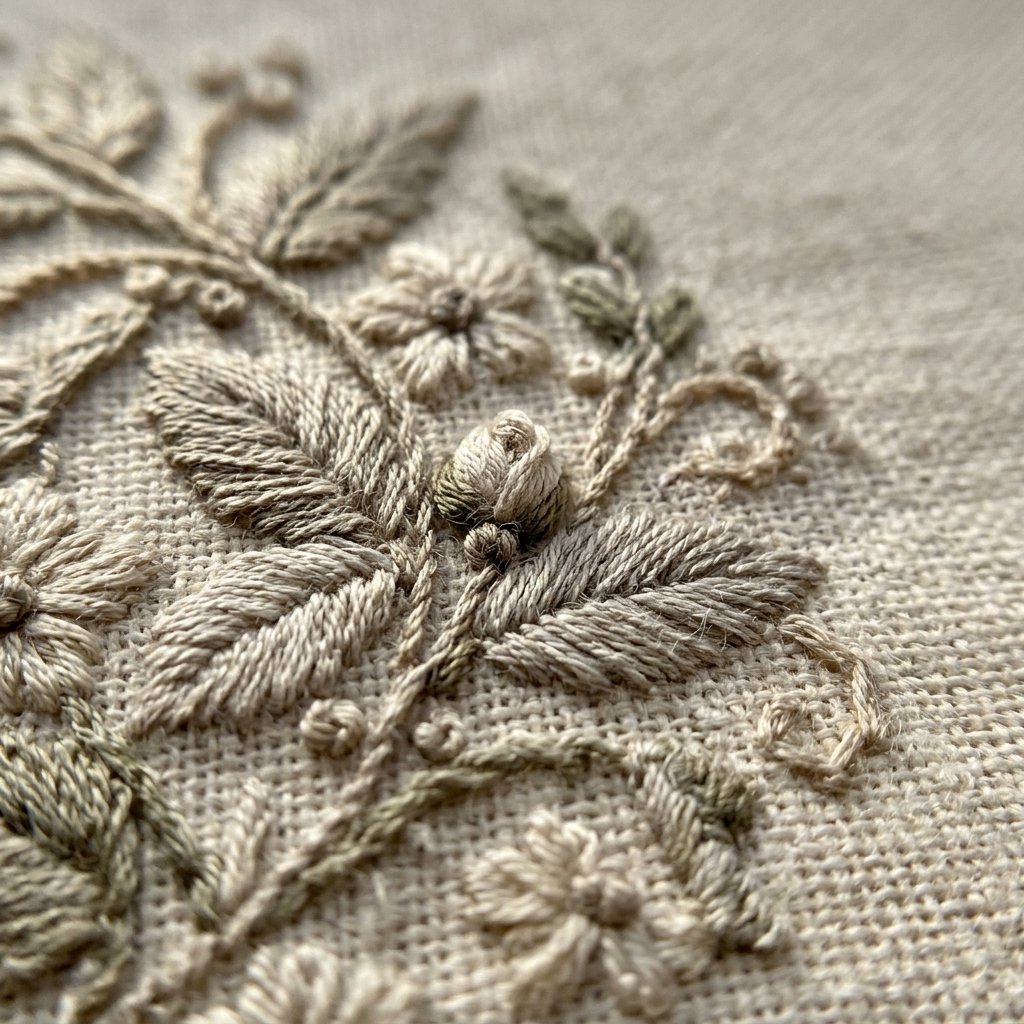
Updating component by component is almost always cheaper and smarter than replacing whole outfits.
The shirt. Mid-calf for daily wear, ankle-grazing for formal. Keep the cut skimming rather than fitted; the season’s shape follows the body without gripping it. Sleeves are full or three-quarter with a finished cuff, and the raw, unhemmed sleeve now reads as unfinished rather than relaxed. Side slits should start at or just below the hip so the long line still moves when you walk.
The trouser. Wide and straight, wide and softly flared, or genuinely fluid with a deep fall. Length is critical: the hem should nearly touch the floor with shoes on. A wide trouser cut too short loses its entire effect and simply looks like the wrong size.
The drape. Treat it as a piece with its own design rather than something added at the end. Two approaches work this year. Either a plain suit carrying a decorated or contrasting drape, or a worked suit carrying a plain, near-weightless one. Both at once is the most common styling mistake of the season.
The fabric. Cotton and lightweight woven cottons for heat, linen and linen blends for mild weather, brushed cotton and wool blends for cold, and silk, chiffon or fine sheers for events. The one upgrade genuinely worth paying for is the lining. Whether a garment hangs or clings is decided by lining quality far more often than by the price of the outer cloth.
Modest styling: how to wear the 2026 shapes on a covered frame
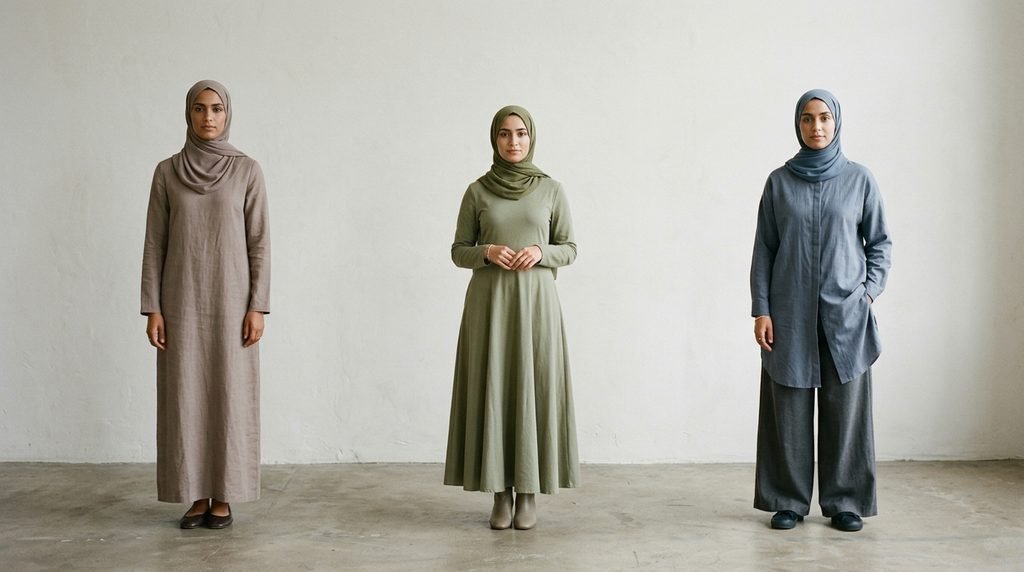
Most trend writing skips this. Here is the practical version, and it applies whether you dress modestly for faith, for climate, for work or simply by preference.
Let the volume sit below the waist. The wide-trouser trend is a gift for covered dressing, because it lets the shirt stay loose and skimming without the whole outfit reading as a sack. Pair a wide leg with a straight, uncomplicated shirt rather than a flared one.
Break up long hems with detail, not with fit. A long plain shirt can read heavy from a distance. A worked hem, a contrast facing or a textured border adds interest exactly where covered outfits tend to go flat, and it does it without taking the garment in.
Get waist definition from colour instead of hardware. Belted styling is having a moment and it does not suit covered dressing. A slightly deeper shade on the bottom half achieves the same visual result with nothing added.
Match under-sleeves to the garment. If you layer sleeves under a three-quarter shirt, match them to the shirt colour rather than to your skin. A tonal sleeve disappears into the silhouette; a contrasting one visually cuts the arm in half.
Choose matte drapes for layering. Over a headscarf, a matte woven or fine cotton drape stays where you put it. Slippery, high-shine fabrics slide all day and force you to keep adjusting, which no amount of pinning fully solves.
Where people are going wrong this season
Buying the detail instead of the proportion. Beautiful hem work on a badly proportioned suit is still a badly proportioned suit. Get length and width right first; decoration is the last five percent.
Hemming wide trousers too short. This is the most common and most expensive error of the year. If you are unsure, have them stitched long and shortened after you have chosen the shoes.
Confusing tonal with matching. Three shades of clay is tonal dressing. Three pieces in the identical shade across three different fabrics is a uniform, and it looks flat in photographs.
Treating muted colour as a warm-weather choice. The soft palette is the base of the year, not a seasonal detour. It carries into cold months simply by moving into heavier cloth and deeper registers of the same families.
Replacing rather than altering. Most shirts from the last two or three years can be brought current for the price of an alteration: lengthen or reface the hem, add a proper cuff, and pair with a wider trouser. That is three of the seven markers on a garment you already own.
What comes next

Because this garment is worn on both sides of the equator, the next stretch looks different depending on where you are — and both directions are pointing the same way.
For readers heading into cold weather, expect the same long line executed in heavier cloth: brushed cottons, wool blends, quilted layering and deeper versions of the muted palette. Boots under a floor-length shirt is becoming a normal outfit rather than an experiment.
For readers heading into heat, expect the volume trend to survive by getting lighter rather than smaller. Wide legs in fine cotton and open weaves, less lining, and shorter sleeves with the same careful finishing.
Two things look likely to grow globally. Hand-technique embroidery should keep gaining, because it is the one form of decoration that photographs as quality rather than as expense. And the crossover styling — kameez with coats, with plain trousers, with everyday shoes — should keep spreading, since it is being driven by how women actually live rather than by any single market.
One thing looks likely to fade. Very short shirt lengths over dramatic bottoms had a strong run, but the shape is narrow in use and heavily photographed, and that combination is usually the sign that a silhouette is close to done.
The honest limits of any trend list, including this one
A trend list describes a direction. It cannot tell you what suits your height, your climate, your budget or the events actually in your calendar. Plenty of women look better in a shape from four years ago than they ever will in this year’s, and staying with what works is not falling behind.
Test any trend against your own wardrobe before you spend. Pull out the three outfits you reach for most and look at what they share — hem length, trouser width, neckline, colour depth. Adopt the trends that sit close to those numbers and leave the rest.
Verify the details on the actual garment rather than the styled photograph, since lining, drape size, hem finishing and true colour are the things most often different in person. And give a new shape one season before you commit the whole wardrobe to it. This garment has been resetting itself for a very long time. It will do it again.
Also Read: Morning vs Night Skincare: The Order Most People Get Wrong
Key Takeaways
- The 2026 shift is about proportion and construction, not decoration: longer shirts, wider trousers, quieter colour, better finishing.
- The seven markers: returning length, volume below the waist, low-saturation colour, tonal dressing, texture over sparkle, visible finishing, and crossover styling.
- For covered dressing, keep the volume below the waist and add interest through hem and border detail rather than through fit.
- Skip belted styling; get definition from tonal shading instead.
- Hem wide trousers long. It is the error that ruins the season’s best shape.
- Most existing outfits can be updated with a hem change, a cuff and a wider trouser rather than replaced.
- Expect the same silhouettes to carry into heavier cloth in cold markets and lighter weaves in warm ones.
FAQ
Which kameez length is most flattering in 2026?
Mid-calf is the safest and most current length for everyday wear because the long unbroken line elongates almost every frame. Floor-grazing works for occasion wear, provided the trouser underneath is wide enough to keep the outfit from reading as a single column of fabric.
Do I need to replace my whole ethnic wardrobe to look current?
No, and it would be poor value. Two additions usually carry an entire wardrobe forward: one wide-leg trouser and one well-chosen drape, since both work across multiple shirts you already own.
Which colours work best this year?
Muted, dusty tones read as current — soft greens, clay and sand, chalky blues, faded rose and warm greys. For evening and cold weather, use deeper versions of the same families rather than switching to bright saturated shades.
Can these styles work outside South Asia and the Gulf?
Yes, and that crossover is one of the year’s real shifts. A long kameez worn with a coat, plain trousers or boots functions as an ordinary wardrobe piece in any city, and the current longer, quieter silhouette makes that easier than the more decorated shapes of previous years.
What should I look at before buying an ethnic outfit online?
Check lining, hem finishing, drape dimensions and true colour under daylight. These four details decide how a garment hangs and how it photographs, and they are the ones most often different from the listing image.
1 thought on “Shalwar Kameez Styles 2026: What Changed This Year”
Comments are closed.