Anti-Inflammatory Acne Treatment at Home: A Calm, Evidence-Based Routine
You catch your reflection before a meeting and there it is — a red, swollen breakout that seems to have its own heartbeat. Before you reach for the harshest scrub in the cabinet, know this: inflamed acne usually gets worse when you attack it and better when you calm it.
The short answer: the most reliable way to soothe inflammatory acne at home is to reduce irritation, not fight it. That means gentle cleansing, proven anti-inflammatory ingredients like niacinamide, salicylic acid, and green tea, plus a few lifestyle habits that lower the body’s inflammatory load. Home care can meaningfully calm mild-to-moderate breakouts, but persistent or painful acne needs a dermatologist.
Let’s walk through what actually helps, what the evidence says, and what to skip.
Why Acne Is an Inflammation Problem First
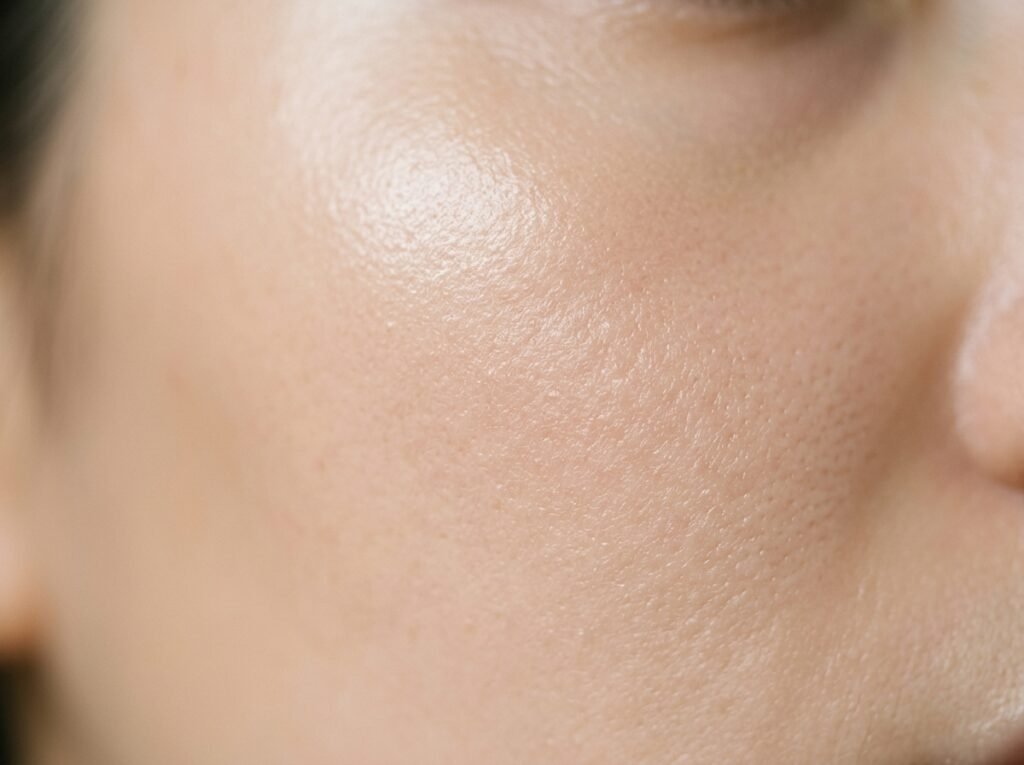
Acne isn’t just “dirty skin.” As the Cleveland Clinic explains, breakouts are usually a chain reaction involving excess oil, bacteria, clogged pores, hormones, and inflammation. Inflammatory acne — the red, tender, swollen kind — is where that immune response becomes visible.
This matters because it reframes your goal. You’re not trying to scrub away oil or “dry out” a pimple. You’re trying to lower the inflammatory response so the skin can settle and heal without scarring or dark marks.
Acne is also extremely common. Research published in the Journal of the American Academy of Dermatology notes it affects tens of millions of people in the United States alone — including plenty of working adults, not just teenagers. If you’re dealing with it, you’re in large company.
The Home Ingredients Worth Your Time
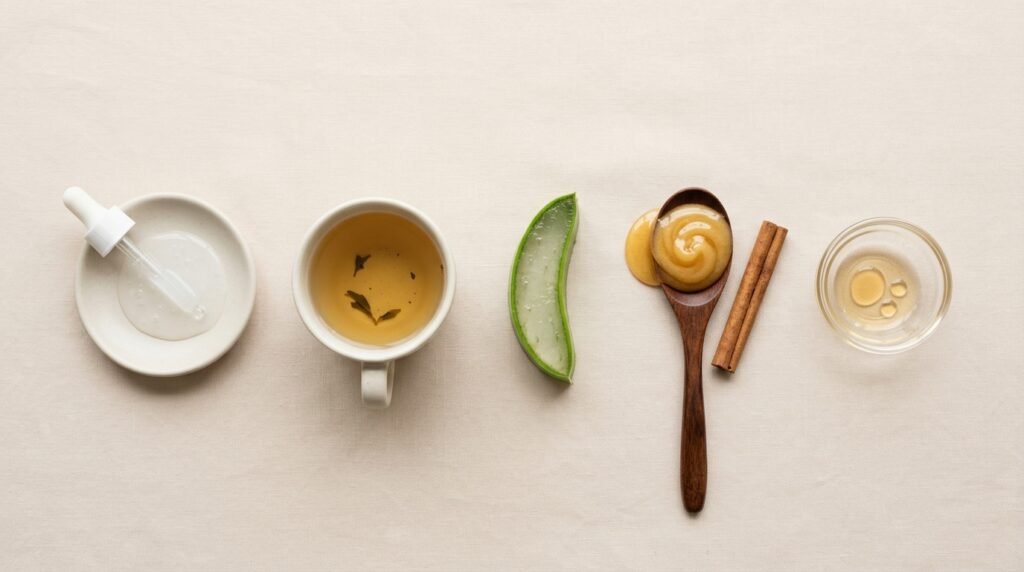
Here’s where honesty matters. In its 2024 guidelines, the American Academy of Dermatology found the evidence for many popular botanical remedies to be insufficient to formally recommend them. That doesn’t mean they don’t help anyone — it means results vary and the research isn’t conclusive. Keep expectations realistic.
With that framing, these are the most defensible options:
- Niacinamide (vitamin B3): A well-tolerated anti-inflammatory ingredient found in many affordable serums, typically at 4–5%. Research suggests visible improvement in redness and tone over roughly eight weeks of consistent use. It layers easily into a routine morning and night.
- Salicylic acid: A beta-hydroxy acid with genuine anti-inflammatory properties that also helps unclog pores. Low concentrations (0.5–2%) are gentle enough for regular use and useful when you have active breakouts alongside red marks.
- Green tea: A JAAD study found green tea polyphenols have anti-inflammatory and sebum-regulating effects on skin cells. You can use a cooled green tea compress on inflamed areas, or drink two to three cups daily as a low-risk anti-inflammatory habit.
- Aloe vera: Naturally soothing and antimicrobial. Best as a calming layer over irritated skin rather than a standalone cure. Use pure gel and patch test first.
- Honey and cinnamon masks: Both carry antioxidant and antibacterial properties. A thin mask left on for 10–15 minutes is a gentle, low-cost option — though evidence here is anecdotal more than clinical.
A note on tea tree oil: it has real anti-inflammatory activity, but essential oils aren’t tested by the FDA for this use and can irritate sensitive skin. Always dilute it and patch test on your wrist before it goes anywhere near your face.
A Simple Anti-Inflammatory Routine (Morning and Night)
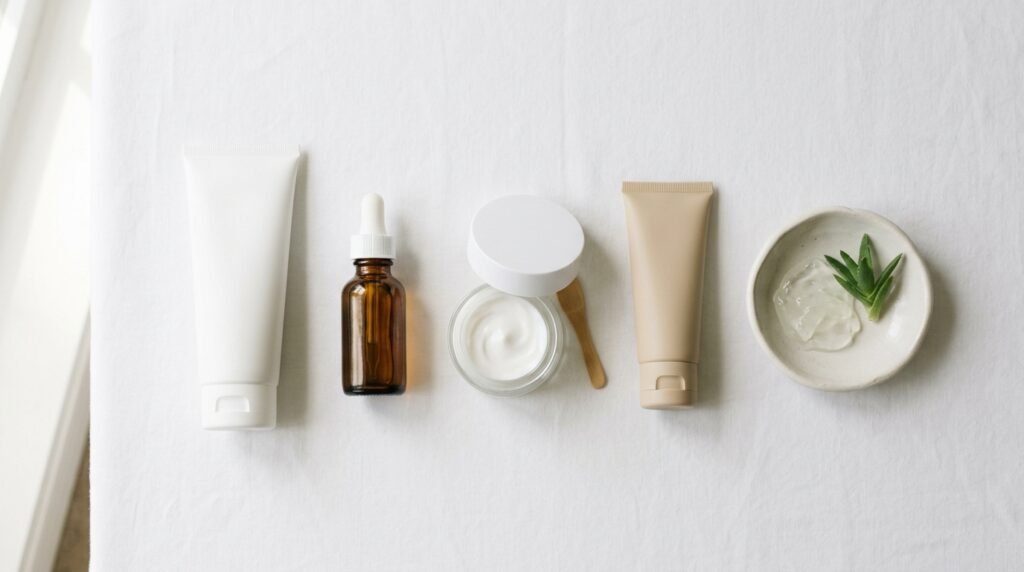
You don’t need ten steps. You need consistency and restraint. Here’s a framework that respects inflamed skin:
- Cleanse gently with a mild, non-stripping cleanser using lukewarm water. Skip anything that leaves skin squeaky-tight.
- Treat, don’t blast. Apply a niacinamide serum, or a low-strength salicylic acid product on active breakouts — not your whole face.
- Calm and hydrate with a lightweight, non-comedogenic moisturizer. Even oily, acne-prone skin needs a barrier.
- Protect in the morning with a broad-spectrum SPF. Sun exposure worsens post-acne redness and dark marks.
- Spot-soothe at night with aloe or a cooled green tea compress on the angriest spots.
The single most common mistake with inflamed acne is doing too much. Introduce one new product at a time and give it four to six weeks before judging it.
Habits That Lower Inflammation From the Inside

Skincare is only half the picture. A few evidence-informed lifestyle levers can support calmer skin:
- Eat for lower inflammation. Omega-3 sources (salmon, walnuts, flaxseed), zinc-rich foods (pumpkin seeds, lentils, chickpeas), and colorful antioxidant-rich produce may help reduce systemic inflammation. The AAD notes evidence on diet is mixed, so treat this as support, not a cure.
- Watch high-glycemic spikes. Research on low-glycemic-load diets is conflicting, but many people find fewer flares when they cut back on sugary drinks and heavily processed carbs.
- Protect your sleep and stress levels. Both influence hormones and inflammation, and both are within reach for busy professionals who tend to sacrifice them first.
- Stop touching and picking. It feels productive. It isn’t. Squeezing inflamed lesions is the fastest route to scarring and post-inflammatory dark spots.
What to Skip
Some “home hacks” do more harm than good:
- Toothpaste, lemon juice, or baking soda on the skin — these disrupt your barrier and can burn or over-dry.
- Aggressive scrubbing of inflamed pimples, which spreads bacteria and worsens redness.
- Stacking multiple actives at once in hopes of faster results. This is the classic irritation trap.
When to See a Dermatologist
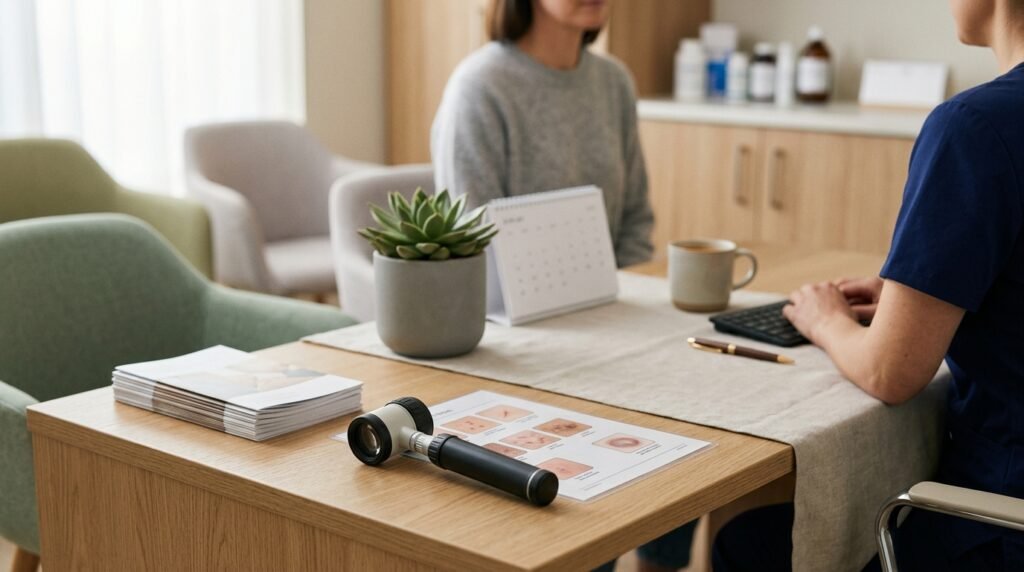
Home care has a ceiling. Book a professional if you have deep, painful, or cystic breakouts, acne that’s scarring, breakouts that won’t budge after eight to twelve weeks of consistent care, or acne that’s affecting your confidence and daily life. Dermatologists can offer prescription retinoids and other treatments that outperform anything in your pantry — and topical retinoids remain among the most evidence-backed options available.
The Bottom Line
Inflamed acne responds to calm, not combat. A gentle routine built around niacinamide, salicylic acid, and soothing ingredients like green tea and aloe — paired with anti-inflammatory eating and less picking — gives most people real, visible improvement over a few weeks. Keep it simple, stay consistent, and escalate to a professional when your skin tells you it’s time.
Disclaimer: This article is for general informational purposes only and is not medical advice. Individual results vary. Consult a qualified dermatologist or healthcare provider before starting any new treatment, especially for persistent or severe acne.
FAQ Section
What is the fastest way to calm an inflamed pimple at home?
Apply a cold compress or cooled green tea compress to reduce swelling and redness, then dab on a soothing ingredient like aloe vera. Avoid squeezing or scrubbing, which increases inflammation and scarring risk.
Does niacinamide really help with acne redness?
Niacinamide is a well-tolerated anti-inflammatory ingredient, usually at 4–5% in over-the-counter serums. Research suggests visible improvement in redness and tone over roughly eight weeks of consistent daily use.
Are natural acne remedies backed by science?
Some, like salicylic acid and green tea, have supportive research. However, the American Academy of Dermatology’s 2024 guidelines found evidence for many botanical remedies insufficient to formally recommend, so results vary between individuals.
Can diet reduce inflammatory acne?
It may help as support. Omega-3s, zinc-rich foods, and antioxidant-rich produce are linked to lower inflammation, and some people improve by reducing high-glycemic foods. Evidence is mixed, so diet complements rather than replaces skincare.
When should I stop home treatment and see a dermatologist?
See a dermatologist if you have painful or cystic acne, scarring, or breakouts that don’t improve after eight to twelve weeks of consistent home care. Prescription options are far more effective for stubborn cases.
Is tea tree oil safe to use on my face?
It has anti-inflammatory properties but can irritate sensitive skin and isn’t FDA-tested for acne. Always dilute it and do a patch test on your wrist before applying it to your face.