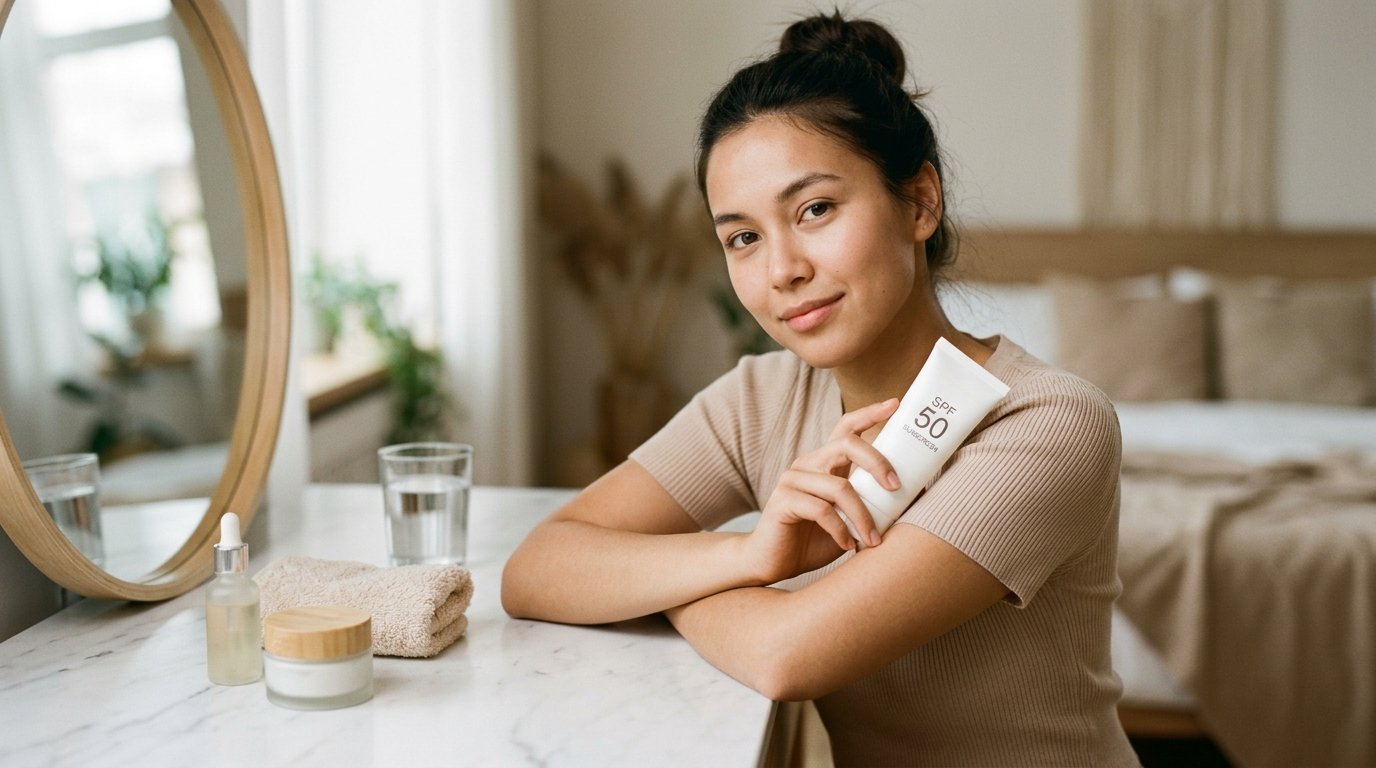
Glow-Up Guide: Beauty Tips That Actually Work
The fastest glow-up isn’t a 12-step routine — it’s doing three or four proven things consistently. If you want visibly better skin, hair, and presence without burning weekends on complicated regimens, the science is refreshingly simple: protect your skin from the sun, use a few evidence-backed ingredients, sleep enough, and stay consistent. Everything below is built around what dermatologists actually recommend, filtered for people who are busy and want results that hold up.
The beauty industry sells complexity because complexity sells more products. But when researchers surveyed dozens of dermatologists across 43 centers in a 2025 consensus study, the “must-have” list came down to a short set of ingredients with real clinical evidence — not the trendiest ones. That gap between hype and evidence is exactly where most people waste money and time.
Let’s close it.
What “Glow-Up” Actually Means (And What It Doesn’t)
A real glow-up is about health showing on the surface — even skin tone, good barrier function, healthy hair, and the quiet confidence of a routine you can actually keep. It is not about chasing filters or overnight transformations.
Here’s the mindset shift that separates people who glow up from people who keep restarting: consistency beats intensity. A simple routine done daily for three months outperforms an elaborate one you abandon after two weeks.
The Non-Negotiable: Sunscreen Every Morning
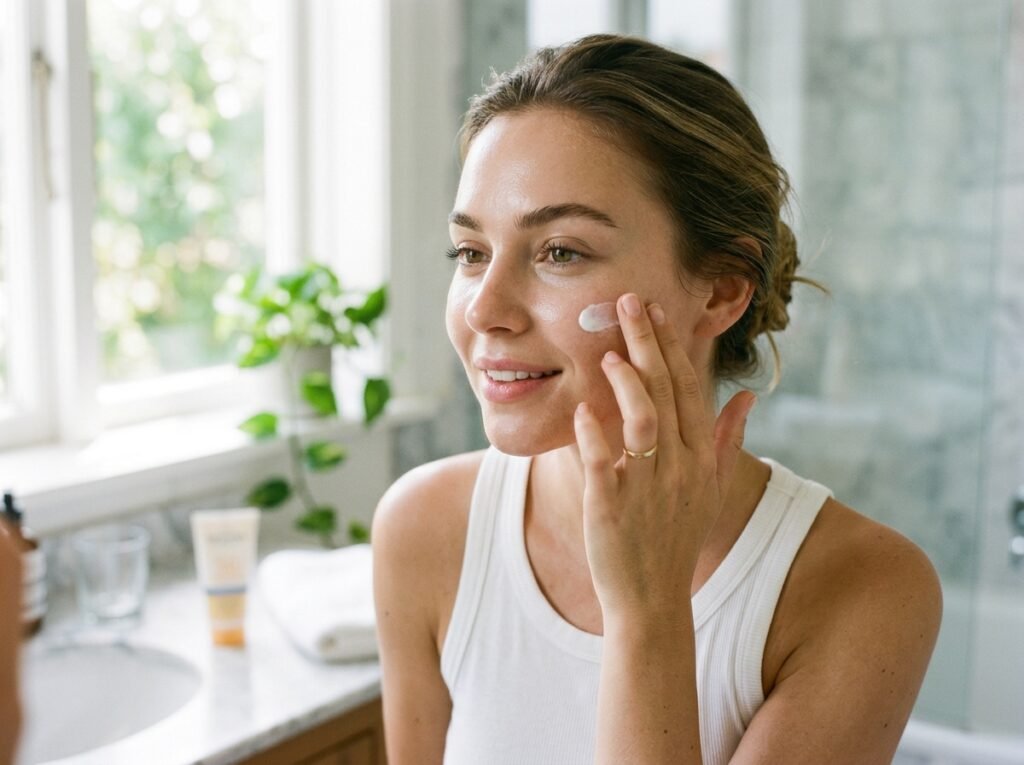
If you do one thing from this entire guide, make it this. Daily broad-spectrum sunscreen is the single highest-return step in skin health. UV exposure is responsible for the large majority of visible skin aging — think fine lines, uneven tone, and dark spots — which means most “anti-aging” concerns are really “sun-damage” concerns in disguise.
Practical rules that make it stick:
- Use SPF 30 or higher, broad-spectrum, every morning — even indoors near windows and on cloudy days.
- Mineral formulas (zinc oxide or titanium dioxide) are gentle and widely dermatologist-recommended; if you dislike a white cast, tinted versions solve it.
- Reapply if you’re outdoors for long stretches. A rough guide is every two hours of direct sun.
For a professional heading between meetings, keep a compact sunscreen in your bag. Ten seconds a day pays off for decades.
The Short List of Ingredients That Actually Work
When the noise is stripped away, a handful of ingredients keep earning their place because they’re backed by real studies, not marketing cycles. You don’t need all of them — pick based on your goal.
Retinoids (for texture, fine lines, and acne)
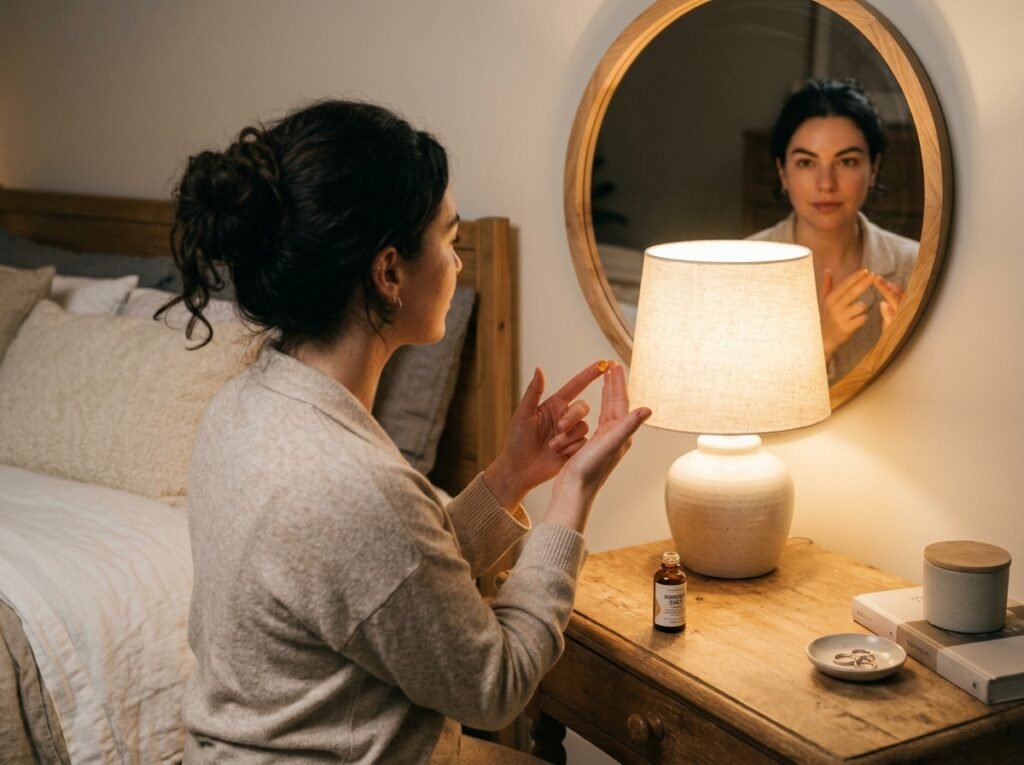
Retinoids — retinol over the counter, or prescription tretinoin — have decades of peer-reviewed evidence for genuine changes in skin, not just surface smoothing. They speed cell turnover and support collagen.
- Start two to three nights a week, then build up slowly.
- Apply at night, and pair with morning sunscreen (retinoids increase sun sensitivity).
- Mild dryness early on is normal; burning or persistent redness means slow down.
Vitamin C (for brightness and even tone)
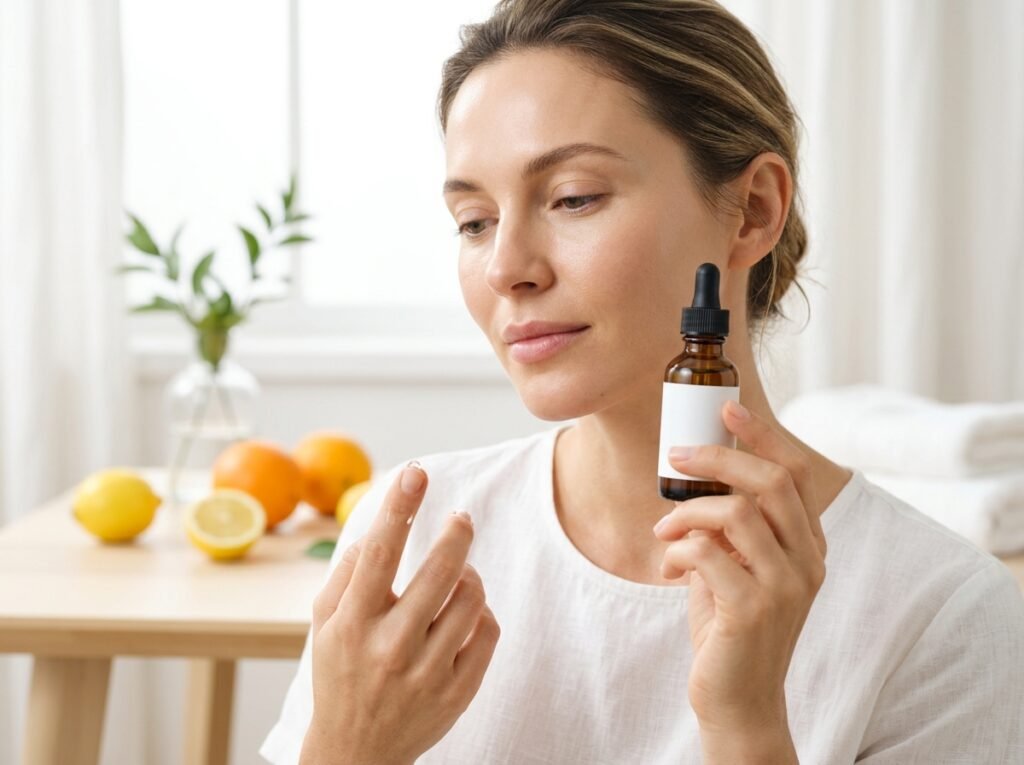
A vitamin C serum in the morning helps with dark spots and dullness and layers well under sunscreen.
Niacinamide (for redness and oil control)
Gentle, well-tolerated, and useful for calming redness and balancing oily skin. It plays nicely with almost everything.
A good moisturizer (for barrier health)
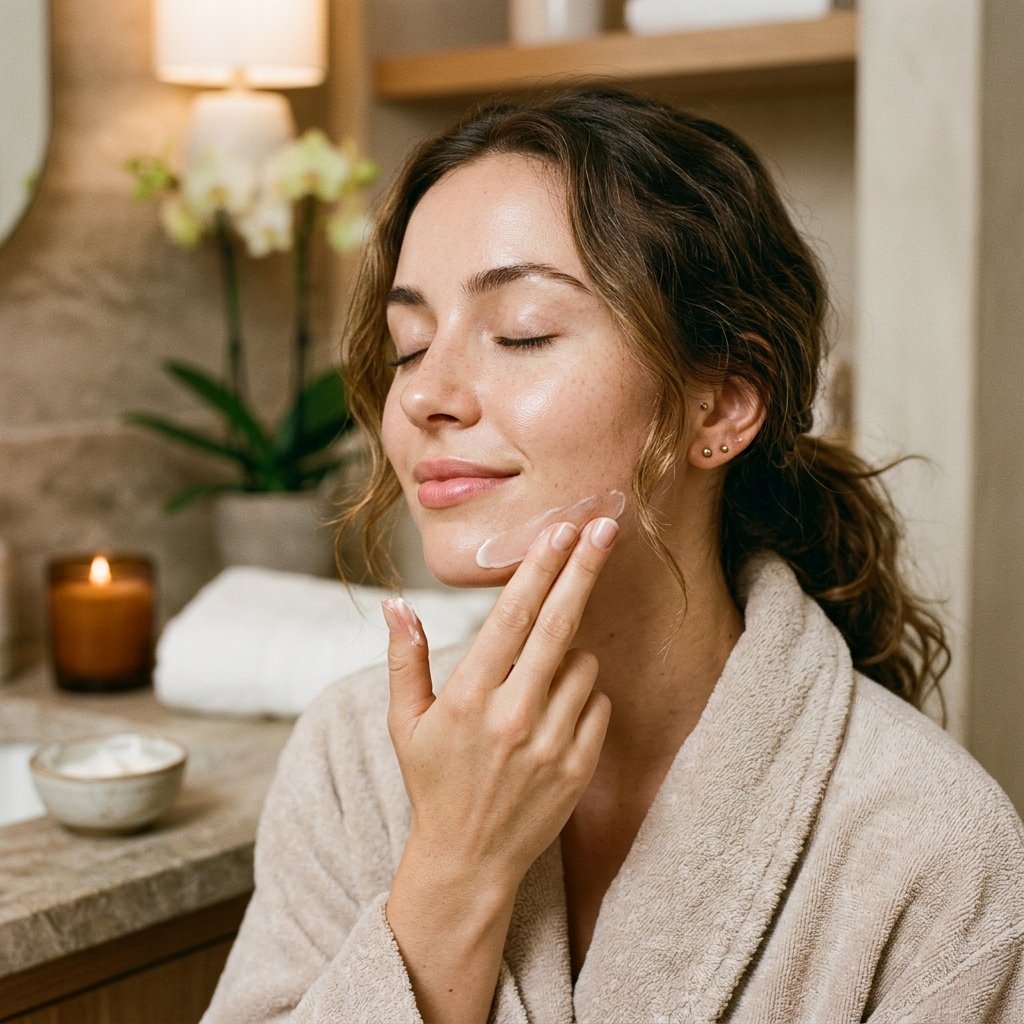
Ingredients like ceramides and hyaluronic acid support your skin barrier so the “active” ingredients can do their work without irritation. Never skip this.
A note on irritation: Tingling and peeling are often mistaken for “it’s working.” Clinically, they usually signal a stressed skin barrier. Slow, boring, and consistent wins.
The Glow-Up Isn’t Only Skincare

Skincare gets the spotlight, but professionals who look genuinely refreshed usually get the basics right too.
1. Sleep is the cheapest treatment you own. Poor sleep shows up as dullness, puffiness, and under-eye shadows. Aim for a consistent 7–9 hours; a regular schedule matters as much as the total.
2. Hydration and a balanced plate. Water and a diet with enough protein, healthy fats, and colorful vegetables support skin and hair from the inside. No single “miracle food” replaces overall habits.
3. Move your body. Regular exercise improves circulation and, honestly, posture and energy — which read as “glow” more than any highlighter.
4. Manage stress. Chronic stress affects skin, sleep, and hair. Even short daily wind-down habits help.
Hair and Grooming: Small Levers, Big Impact

- Get the cut right. A sharp, well-maintained haircut suited to your face shape does more for presence than any product.
- Wash to your scalp’s needs, not on a rigid schedule; condition mid-length to ends.
- Groom the details. Neat brows, clean nails, and healthy lips are subtle but professional signals people register instantly.
- Less is more with heat styling. Heat damage undoes a lot of effort.
A Realistic Weekly Routine for Busy Professionals

Every morning (2 minutes): Gentle cleanse → optional vitamin C → moisturizer → sunscreen.
Every night (3 minutes): Cleanse → retinoid (2–3 nights a week to start) → moisturizer. On non-retinoid nights, keep it simple: cleanse and moisturize.
Weekly: One relaxing reset — a hydrating mask, an early night, a proper haircut when it’s due.
That’s it. Anything beyond this is a bonus, not a requirement.
Featured Snippet Answer
What beauty tips actually work for a glow-up? The most effective, evidence-backed glow-up habits are: wear broad-spectrum SPF 30+ sunscreen every morning, use proven ingredients like retinoids and vitamin C, moisturize to protect your skin barrier, sleep 7–9 hours consistently, stay hydrated, and — above all — stay consistent for at least eight to twelve weeks.
Conclusion: Glow Up by Subtracting, Not Adding
The real secret is almost anticlimactic. You don’t need more products — you need the right few, done daily, long enough to work. Protect your skin from the sun, add one or two proven actives, take care of your sleep and body, and give it time. In two to three months, the difference is visible and, better yet, sustainable.
Start with sunscreen tomorrow morning. That’s your glow-up, already in motion.
Disclaimer: This article is for general informational purposes and is not medical advice. Skin and hair needs vary. If you have a specific condition, are pregnant or breastfeeding (retinoids are generally not recommended during this time), or plan to start prescription treatments, consult a board-certified dermatologist.
FAQ
How long does a glow-up take to show results?
Most evidence-based skincare works gradually. Expect subtle improvements in a few weeks and clearer changes in texture and tone around 8–12 weeks of consistent use.
Do I really need an expensive routine to glow up?
No. Affordable sunscreen, a basic moisturizer, and one proven active like retinol or vitamin C cover most needs. Consistency matters far more than price.
What is the single most important beauty tip?
Daily broad-spectrum sunscreen. It’s the highest-return step for preventing visible aging and protecting the results of everything else you do.
Can lifestyle changes really affect how I look?
Yes. Sleep, hydration, a balanced diet, exercise, and stress management all influence skin clarity, under-eye appearance, and overall vitality.
Is retinol safe for everyone?
Retinoids suit many people but can irritate sensitive skin and are generally not recommended during pregnancy or breastfeeding. Start slowly and consult a dermatologist if unsure.
How do I glow up without spending much time?
A two-minute morning routine (cleanse, moisturize, sunscreen) and a three-minute night routine (cleanse, treat, moisturize) are enough. Simplicity is what makes it sustainable.